




Sleep
Latest Content
Advertisement
Advertisement
A regular sleep schedule may decrease obesity risks, says an Italian study.

This week, the top managed care stories included the White House seeking a truce between CMS Administrator Seema Verma and HHS Secretary Alex Azar; Sanofi will shift its focus from diabetes to cancer drugs; results highlight real-world evidence of chimeric antigen receptor T-cell therapies.

Results of the study indicated that irregular schedules, increased night shifts, sleep disturbances, and work hours were related to a higher burnout risk in police officers.

Lifestyle Behaviors in Early Childhood Vital to Managing Risk of Obesity, Cardiometabolic Conditions
Modifiable lifestyle behaviors, such as physical activity, sleep time, television time, and diet, were shown to contribute to risk of obesity and cardiometabolic conditions in early childhood, according to study findings.

A recent review examined the challenges of treating excessive daytime sleepiness due to obstructive sleep apnea (OSA) and narcolepsy.

The association between disadvantaged communities and heightened risk of cardiovascular disease was attributed to factors that impair sleep quality and duration, such as living in noisy environments, working several jobs with various shifts, and having greater levels of emotional and financial stress, according to study findings.

Chronic Opioid Therapy, Prescription Drug Use Linked With Increased Risk of Sleep Disorders, Frailty
Chronic opioid therapy was found to disrupt sleep and increase the risk of sleep disorders, while prescription drug use for pain and sleep exhibited an increased risk of frailty among users, according to 2 study findings stressing the need for heightened prescription education among providers for potential adverse risks.
A recent review examined sleep-related disorders linked to neurology and psychiatry, noting that the disorders degrade quality of life and functional ability, and recommended that when taking a patient history, specific questions are needed to probe the exact symptoms so as to enable strategic treatments.

In Australia, adults who are female, single, middle-aged, and have lower levels of education are more likely to experience less-than-optimal sleep, according to a recent study.

The use of wearable trackers found a link in patients reporting insufficient sleep with biological aging and increased risk of cardiovascular disease, according to study findings.

Perhaps not surprisingly, younger children had higher levels of parental support overall; the study also found that mothers provided more support than fathers.

School-based interventions for health issues pertinent to adolescents have been linked with beneficial outcomes, and a study published this week showed potential long-term benefits of a school-based sleep education program.
Gut microbiome composition, sleep physiology, the immune system, and cognition were found to be interlinked, indicating possible therapies of gut microbiome manipulation to improve sleep quality, according to study findings.
As increasing evidence suggests that a disrupted sleep-wake cycle can drive the development of Alzheimer disease and other neurocognitive disorders via β-amyloid accumulation, a new study finds that the association between β-amyloid accumulation and cognitive impairment can be mediated by sleep disruption even after the onset of cognitive decline.
Insufficient sleep among 2 adolescent groups aged 6-12 and 13-17 was linked with decreased childhood flourishing, a measurement of behavioral and social well-being that affects school performance, as well as, physical and mental health, according to a study to be presented at the American Academy of Pediatrics 2019 National Conference & Exhibition in New Orleans, Louisiana.

Veterans with posttraumatic stress disorder (PTSD), whether or not they had experienced a traumatic brain injury (TBI), were more likely to experience rapid eye movement (REM) sleep behavior disorder than veterans without TBI or PTSD, according to the findings of a new study.
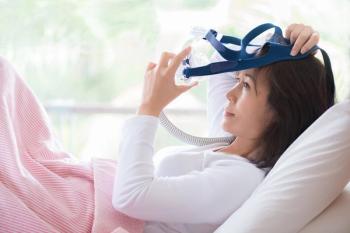
Using and adhering to positive airway pressure therapy was associated with fewer inpatient and overall acute care visits and a lower likelihood of having costs from those visits among patients with moderate or severe obstructive sleep apnea.
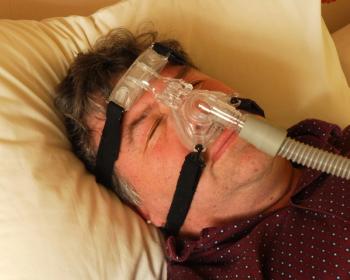
Research presented at the 123rd Annual Meeting of the American Academy of Ophthalmology 2019 in San Francisco, California, indicated sleep apnea as a risk factor for diabetic macular edema, a complication of diabetes that can cause vision loss or blindness.

Pairing a sedative with an antidepressant was shown to be potentially beneficial in patients with suicidal thoughts, chiefly those with severe insomnia, according to a study.

A study of college students found that better sleep—specifically, higher quality, longer duration, and greater consistency of sleep—was associated with higher scores on quizzes and midterm exams.

Minority representation in clinical studies often becomes overlooked, which can inhibit attributable research and heightened risk awareness within these subpopulations.

According to results of a survey asking 1300 Americans about their perceptions and knowledge of sleep disorders like narcolepsy, many respondents were not familiar with common symptoms of the disease and their understanding was often shaped by television shows or movies.

According to findings from a cohort study, patients with obstructive sleep apnea were more likely than healthy controls to develop depressive and anxiety disorders over a 9-year follow-up.

A study on zebrafish revealed that the intensity of brain activity during the day, controlling for length of time being awake, is linked to sleep necessity through a neuron named galanin.
Advertisement
Advertisement
Trending on AJMC
1
Merck, Moderna Cancer Vaccine Cuts Melanoma Recurrence Risk by 42%
2
IDWeek Studies Tie RSV, Flu, and COVID-19 to Harm After Acute Illness
3
Former USAID Health Chief Says Aid Cuts Are Costing Children's Lives
4
It’s the Best of Times and Worst of Times for Cancer Care in Tampa
5