
Top pieces from 2025 spanned outbreaks, an FDA drug approval, and the impact of NIH grant terminations.
Top pieces from 2025 spanned outbreaks, an FDA drug approval, and the impact of NIH grant terminations.

New research reveals that quick sleep onset may lower hypertension risk, challenging traditional views on sleepiness and cardiovascular health.

The study suggests that adding a Bruton tyrosine kinase inhibitor (BTKi) to frontline chemoimmunotherapy in Richter transformation improved complete response rates and progression-free survival compared with chemoimmunotherapy alone, though overall survival benefits remained unclear.
The San Antonio Breast Cancer Symposium fosters collaboration among experts, enhancing research and treatment strategies for breast cancer's complex landscape.
Readers of AJMC gravitated to articles on technology, policy, and clinical workflows, reflecting the pursuit of improved quality and responsible spending.
With new treatments, environmental insights, and evolving views on comorbidity shaping patient care, this is the most-viewed psoriasis content of 2025.

Experts at SABCS highlighted the aggressive nature of breast cancer in young women, emphasizing tailored management and support strategies.

Experts advocate for a shift in CKD care towards prevention and maintaining kidney health, emphasizing lifestyle changes and early interventions.
The 2025 American Thoracic Society International Conference brought advancements in pulmonary medicine and highlighted the need for health equity reforms.

Zasocitinib met all primary and secondary end points, showing rapid PASI 75 responses and high rates of skin clearance vs placebo and apremilast.

The approval of subcutaneous amivantamab can offer a more accessible means of treatment for patients with non–small cell lung cancer (NSCLC).
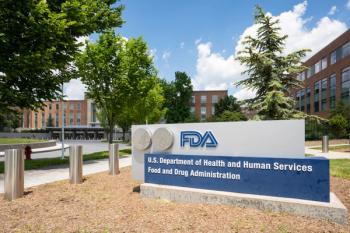
The FDA approved subcutaneous amivantamab with recombinant human hyaluronidase for EGFR-mutated NSCLC based on the phase 3 PALOMA-3 trial.
Advancements in 2025 in non-Hodgkin lymphoma treatments focused on bringing CAR T-cell therapy and bispecific antibodies into the community setting.
The meeting included new evidence and expert insights on hormone therapy, AI, and the expanding role of GLP-1 therapies in cardiovascular care.

A study using Mendelian randomization found higher BMI and IBD have causal links to hidradenitis suppurativa risk.
Rucaparib’s full approval for BRCA-mutated mCRPC is supported by data showing significant gains in radiographic progression-free survival.
Reflect on the challenges in health equity, care access, and policy shifts impacting health insurance and clinical research in 2025.

A last-minute push to extend Affordable Care Act subsidies was stopped as GOP leadership prevented an expedited vote, leaving the future of the subsidies uncertain.
These were the most-read articles on alopecia areata in 2025.

Twice-yearly depemokimab cuts asthma exacerbations in phase 3 trials for patients aged 12 and older with severe eosinophilic asthma.

Marco del Riccio, MD, explains that the Flunomics report helped to identify gaps in US vaccine coverage and influenza surveillance during the 2024-2025 season.

Intranasal etripamil was approved to self-treat episodes of paroxysmal supraventricular tachycardia, supported by phase 3 RAPID trial data.

Explore safe IBD treatment options for patients with chronic kidney disease, focusing on tailored approaches to optimize kidney health and medication efficacy.

A new study finds patients with unmet social needs like housing or transportation face higher ED and inpatient use and that resolving these needs may reduce utilization.

With ACA subsidies expiring, experts warn coverage losses could worsen access to behavioral health care and emergency department strains.
Our top conference coverage of the year highlighted findings presented at CROI 2025, ACCC Spring, and EHA, among others.

High response rates, strong R0 resection, and low severe adverse events with neoadjuvant therapy plus immunotherapy were identified in a rectal cancer study.
Our top content from the World Conference on Lung Cancer (WCLC) 2025 featured new therapeutic strategies for EGFR+ NSCLC and trial results on amivantamab.

The past year has seen multiple changes in the HIV space that have long-term effects when it comes to ending the epidemic.
This year’s most-read articles on CKD highlighted research and insights on drug approvals, guidelines, and value-based care.