





Center on Health Equity & Access
Latest News
Advertisement
Expert Insights
Hear what thought leaders have to share about the Center on Health Equity & Access.
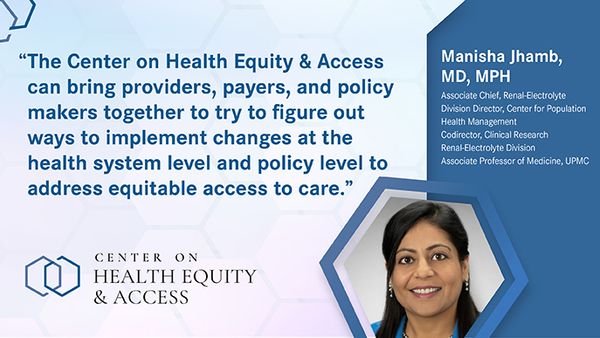
Expert Insights
Hear what thought leaders have to share about the Center on Health Equity & Access.
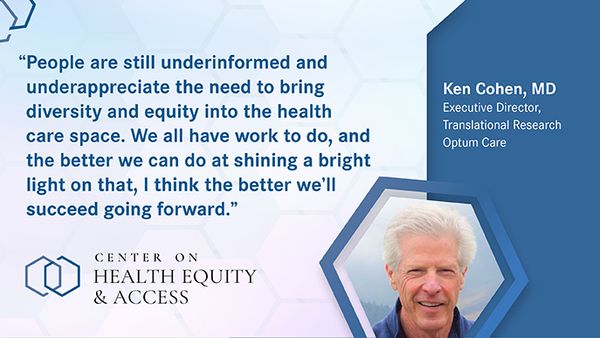
FDA Denies MDMA-Assisted Therapy Despite Promising Trial Results
Leaders respond to the complete response letter issued by the FDA, seeking answers and calling for more progress to aid the veteran community and others experiencing PTSD. Learn more with the full article from AJMC®!
Latest Videos







Advertisement
More News

Following the FDA approval of linvoseltamab (Lynozyfic; Regeneron) for heavily pretreated multiple myeloma, Sundar Jagannath, MBBS, highlights its potential for earlier use, increased accessibility, and greater competition in the B-cell maturation antigen (BCMA) bispecific antibody space.

US ovarian cancer mortality declined from 1999 to 2020, but significant disparities remain among older women, non-Hispanic White women, and those living in rural areas, as well as in the Northeastern and Midwestern regions, according to Muhammad Faizan, MBBS.
The newly FDA-approved linvoseltamab (Lynozyfic; Regeneron) may improve access to multiple myeloma treatment by offering an off-the-shelf, outpatient option that can be administered in community settings, according to Sundar Jagannath, MBBS.

Contributor: Reframing Health Literacy—A Systemic Driver of Equity and Outcomes
Published: | Updated:
Improving health literacy is essential for promoting health equity, reducing preventable illness, and making health care more effective.

This global study found rising rates of pediatric hypertension, highlighting obesity's impact and the need for improved monitoring and prevention strategies.

Social risk factors significantly increase the likelihood of developing long COVID, highlighting the urgent need for equitable health care and support systems.

Michael McGuire, PharmD, reviewed Mental Health America’s recent publication on the current state of mental health in America and addressed socioeconomic barriers in access to care.

Ayodeji Adegunsoye, MD, PhD, MSc, highlights how the underrepresentation of minority populations in pulmonary fibrosis genetic studies hinders accurate disease risk prediction and broader clinical translation.

Rural Health Investment, Local Training Are Priorities for South Jersey: State Sen Vincent Polistina
Some hospitals in New Jersey may be eligible for part of the $50 billion CMS spending on rural health care, according to State Sen Vincent Polistina (R, New Jersey).

Disparities in access to quality treatment and lack of equitable and inclusive data in breast cancer research contribute to poorer survival outcomes for Black women with breast cancer.

At the Society for Pediatric Dermatology Annual Meeting, Sarah Coates, MD, FAAD, highlights how social drivers shape pediatric skin health and how clinicians can respond.

In a webinar, experts discussed cardiovascular disease prevention strategies, emphasizing personalized risk assessments and emerging treatments to combat this health crisis.

During a visit to AtlantiCare, CMS Administrator Mehmet Oz, MD, MBA, called for rural health systems to modernize IT infrastructure through the $50 billion Rural Transformation Fund, including through artificial intelligence (AI).

A review highlights the need for better research on pediatric segmental vitiligo treatments, as current options show mixed results, and at SPD 2025, Hira Ghani, DO, emphasized the importance of recognizing often-overlooked skin conditions in children.

At the recent regional Institute for Value-Based Medicine® event in Boston, Anasuya Gunturi, MD, PhD, Lowell General Hospital, was a panelist for the discussion, “Evolving Breast Cancer Care: Addressing Unmet Needs Across the Patient Journey.”
World Hepatitis Day 2025 and its theme, “Hepatitis: Let’s Break It Down,” emphasize the urgent need to remove barriers to prevention, testing, and treatment to reduce liver cancer and eliminate hepatitis by 2030.

As we prepare for a future with more caregivers and more complex patient needs, let’s commit to valuing the care that happens outside hospitals just as much as the care within them.

At the 6-month anniversary of the inauguration in January, The American Journal of Managed Care® looks back at the changes made by the Trump administration that could have lasting effects in health care.
State governments must have budgetary and regulatory flexibility to support health care innovation, says State Sen Vincent Polistina (R, New Jersey).

This Managed Care Cast episode explores how high costs and inconsistent insurance coverage for incretin mimetics impact obesity management and patient care.

A digital asthma self-management program enhanced symptom control; however, it revealed racial disparities in engagement, highlighting the need for culturally tailored interventions.

Researchers found no significant differences in surgical outcomes or follow-up between housed and unhoused patients with osteoarthritis undergoing total joint arthroplasty, suggesting the procedure is safe and effective regardless of housing status.

Seventy percent of Asian American and Pacific Islander women diagnosed with lung cancer were non- or never-smokers, highlighting a need to rethink lung cancer screening to reduce disparities.

Mental health, care of acute and chronic conditions, primary care access and prevention, and maternal and perinatal health were identified as key focus areas among a majority of states.

There is a great need to streamline the process from the tissue sample to the diagnostic lab, whether it's genomic or immunohistochemistry, Robert Kratzke, MD, says.
Advertisement
Advertisement
Trending on AJMC
1
Delayed Dupilumab Raises Asthma Costs 32%: Nicola Hanania, MD
2
Regorafenib Prescribing in Advanced GIST Deviates From Guidelines
3
A Patient-Centered Reconstruction of 340B in Oncology: Transparency, Equity, and Site-of-Care Accountability
4
FDA Expands Finerenone Approval to CKD Associated With Type 1 Diabetes
5