




Center on Health Equity & Access
Latest News
Advertisement
Expert Insights
Hear what thought leaders have to share about the Center on Health Equity & Access.
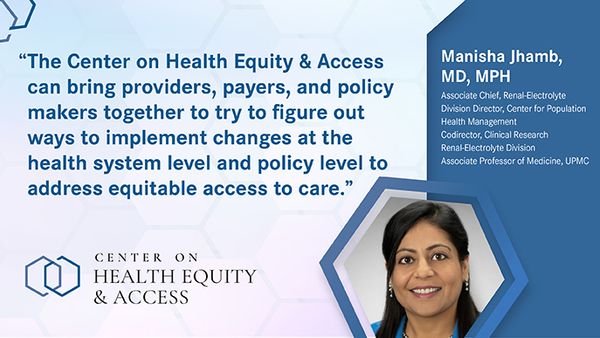
Expert Insights
Hear what thought leaders have to share about the Center on Health Equity & Access.
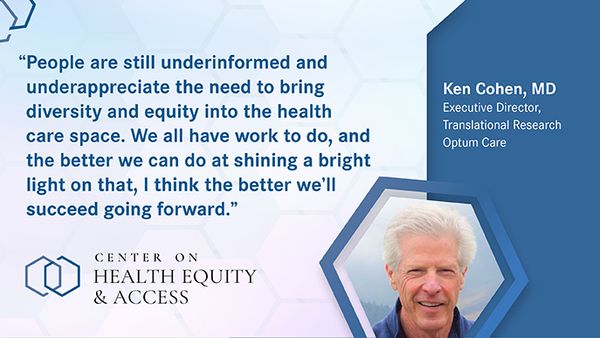
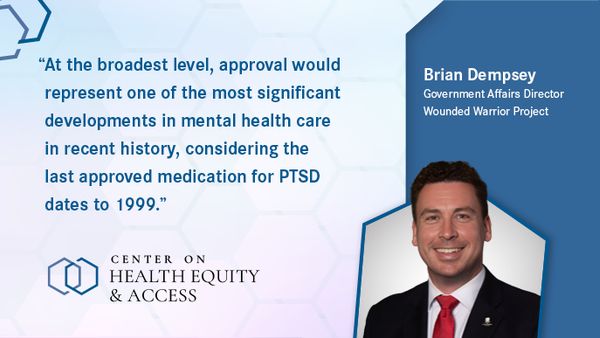
FDA Denies MDMA-Assisted Therapy Despite Promising Trial Results
Leaders respond to the complete response letter issued by the FDA, seeking answers and calling for more progress to aid the veteran community and others experiencing PTSD. Learn more with the full article from AJMC®!
Latest Videos





Advertisement
More News

In a joint letter addressed to Congress, Healthcare Across Borders, Take Back the Court Action Fund, and UltraViolet Action called out the resurgence of the Comstock Act, urging immediate action to repeal this century-old law that threatens reproductive rights and public health in the US.

The senate hearing held by the US Senate Committee on Health, Education, Labor, and Pensions, led by Sen. Bernie Sanders (I, Vermont), chairman of the committee, and ranking member Sen. Bill Cassidy, MD, (R, Louisiana), addressed the critical issue of physician and health care worker shortages, as well as the maternal health crisis, in the US.

On this episode of Managed Care Cast, experts from Illinois CancerCare discuss CMS regulations limiting the access of rural patients with cancer to medically integrated pharmacies.

What Is a Health Plan’s Role in Preventing Homelessness Among Seniors?
Published: | Updated:
The CEO of SCAN Health Plan discusses its first-ever Environmental, Social, and Governance Report.

Chris Pagnani, MD, medical director and founder of Rittenhouse Psychiatric Associates in Philadelphia, explains the importance of offering college students consistent care via telehealth while collaborating with their campus counseling centers.

This week's topics include frameworks for improving health equity nationwide, addressing social determinants of health, discussing CMS's Medicare rules, investigating breast cancer treatment refusal, and exploring HIV and major depressive disorder in underrepresented groups.

Public hospitals were significantly more likely to sustain access to unprofitable services following 340B Drug Pricing Program participation, while nonprofit hospitals were mostly unaffected, according to a recent study.

Results featured at the Academy of Managed Care Pharmacy 2024 annual meeting revealed a pattern of prior authorization rejections that could delay necessary therapeutic treatments for various patient groups.

Due to often being overlooked as only carriers of hemophilia, the review authors sought to highlight the needs of female caretakers for patients with the disorder and the possibility of women themselves being affected by it.

A new study has linked racial and ethnic disparities with factors like age, income, and insurance to breast cancer treatment decline. Patients who received all treatments had better survival, highlighting the need for interventions to improve access and reduce disparities.

A cross-sectional analysis assessed the birth prevalence of sickle cell disease (SCD) alongside data on social vulnerability to highlight the needs of communities impacted by SCD.

In the series debut episode of "Frameworks for Advancing Health Equity," Mary Sligh, CRNP, and Chelsea Chappars, of Allegheny Health Network, explain how the Urban Health Outreach program aims to improve health equity for individuals experiencing homelessness.

A high burden of HIV could indicate other underlying factors, such as limited access to health care resources and a risk of major depressive disorder.

The Joint Commission is launching the Rural Health Clinic Accreditation Program to standardize staff training and patient care practices at rural health clinics nationwide; the American Cancer Society recently launched the largest-ever study of cancer risk and outcomes in Black women; the HHS COVID-19 vaccination campaign saved $732 billion by preventing illness and related costs.

Michael Morse, MD, FACP, MHS, medical oncologist at Duke Cancer Center, explained gaps in care access and equity that must be addressed to ensure all patients with liver cancer can get the treatments they need.
In this interview, Chris Pagnani, MD, PC, emphasizes the benefits of telemedicine and its role in improving accessibility, particularly in the realm of mental health care.
On this episode of Managed Care Cast, we're talking with Karen Iapoce, senior director of government products and programs at ZeOmega, about the recent CMS final rule on Medicare Part D and Medicare Advantage.
Fifty percent of US rural hospitals are facing financial problems; US lawmakers have called out the corporate spending of 3 large nursing home companies; hospice patients under Medicare Advantage are now facing uncertainty after the government ended its pilot program.

The opening plenary session addresses a key priority of ISPOR on the first full day of the annual conference.
The Senate Finance Committee has introduced bipartisan legislation that proposes using Medicaid and Medicare programs to help prevent and reduce generic drug shortages; US indicators for COVID-19, flu, and respiratory syncytial virus (RSV) declined further last week; findings from a recent study reveal growing disparities in child death rates across racial and ethnic groups.

CMS rules hindered the access of rural patients with cancer to medically integrated pharmacies in 2023. The authors discuss the impact on equity in health care, emphasizing the need for regulatory change.

Quoc-Dien Trinh, MD, MBA, chief of urology at Brigham & Women's Faulkner Hospital, highlighted successful efforts to improve prostate cancer care access for underserved communities in Massachusetts.
This week, the Center on Health Equity and Access highlights a variety of gaps that exist in health care, spanning women's health, the rising rate of metabolic disease, and policy for LGBTQ+ and immigrant populations. The consensus among featured experts points to comprehensive care models.
In this interview, Chris Pagnani, MD, PC, shares how telemedicine is transforming mental health care by making psychiatry accessible for patients, especially for those in health care deserts.
A new federal rule will enable thousands of immigrants in the Deferred Action for Childhood Arrivals (DACA) program to obtain health care through the Affordable Care Act; a forthcoming CMS rule is expected to lower home-based care wait times and raise caregiver wages; the HHS Office for Civil Rights has finalized 2 rules that strengthen the ACA’s health care discrimination ban.
Advertisement
Advertisement
Trending on AJMC
1
Delayed Dupilumab Raises Asthma Costs 32%: Nicola Hanania, MD
2
Regorafenib Prescribing in Advanced GIST Deviates From Guidelines
3
FDA Expands Finerenone Approval to CKD Associated With Type 1 Diabetes
4
Secondary T-Cell Cancers After CAR T: Rare, Real, and Worth Watching
5