




Clinical
Latest News
Advertisement
Latest Videos





CME Content


Advertisement
More News

Patients with atopic dermatitis, particularly males and those aged 40 to 59 years, have significantly higher rates of impaired mobility.

Munaf Siyamwala, MD, of Centerpoint Medical Center, explained that summertime heatwaves and increased pollution significantly exacerbate symptoms for patients with chronic obstructive pulmonary disease (COPD).

Israeli patients with vitiligo exhibit a significantly reduced risk of developing Parkinson disease (PD).
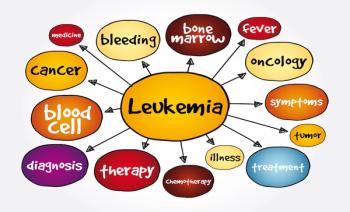
Only about 1% of patients with chronic lymphocytic leukemia (CLL) developed an invasive fungal infection while on a Bruton’s tyrosine kinase (BTK) inhibitor, investigators found.

High neutrophil to lymphocyte ratio (NLR) and platelet to lymphocyte ratio (PLR) are associated with worse progression-free survival and 5-year overall survival in patients with ovarian cancer.

The field of sarcoma study is getting more specific, with clinical investigations drilling down to more specific subtypes of soft tissue sarcoma for better targeted therapies.

In April, the FDA approved decabtagene vicleucel (ide-cel) for earlier treatment of relapsed/refractory multiple myleoma.
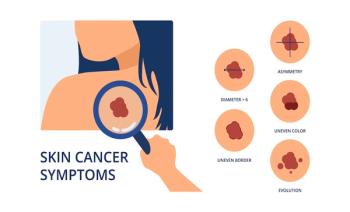
Of 7 subtypes identified 10,000 melanoma cells, C4 Melanoma COCO1A was the only to show indications of being more sensitive to natural killer (NK) and T cells.
Leda Mannent, MD, global project head, Immunology and Inflammation, Sanofi, discusses efficacy outcomes in patients with asthma who received rilzabrutinib.

Experts on chronic spontaneous urticaria outline the hallmark symptoms most associated with the disease and how they fluctuate with time.
A panel of experts describe the pathophysiology of chronic spontaneous urticaria.
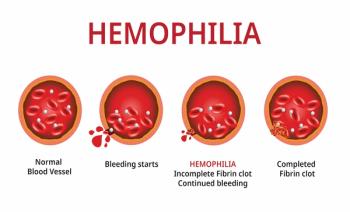
Different types of assays led to different results in measures of factor IX variant FIX-R338L, the authors found.

Patients who used adjuvant chemotherapy were found to have a higher survival rate after achieving complete pathological response.

An oncologist specializing in breast cancer treatment reviews the latest guideline recommendations for systemic therapies in HR+/HER2- breast cancer, comparing the available CDK4/6 inhibitors and discussing considerations for optimal treatment sequencing.
William J. Gradishar, MD, provides an overview of the current breast cancer treatment landscape, highlights updates to the NCCN guidelines from 2023 to 2024, and expresses optimism for addressing unmet needs at ASCO 2024.

Today, the FDA approved ensifentrine (Ohtuvayre; Verona Pharma) for the maintenance treatment of moderate to severe chronic obstructive pulmonary disease (COPD) based on the successful phase 3 ENHANCE trials.

What We’re Reading: Surging Global Dengue Cases; EHR Blocking Ban Finalized; Weight-Loss Drug Access
The CDC issued a warning to doctors on Tuesday to look out for dengue cases amid a global surge; HHS has finalized disincentives to prevent health care organizations from unreasonably blocking the exchange of electronic health record (EHR) information; patients in some states, like West Virginia, cannot afford weight-loss medications due to the high costs and lack of insurance coverage.

Patients in this analysis were treated between 2007 and 2020 and could have received radiotherapy either before or after surgery for soft tissue sarcoma (STS).

Expert panelists evaluate results regarding complement inhibitor trials for utilization in PNH management.
Dr Haumschild continues leading an expert discussion surrounding key strategies and pain points in PNH treatment.

Researchers discovered a causal relationship between air pollutants and increased cardiovascular disease (CVD) risk, highlighting the need for protective measures to mitigate exposure.

The association between residual tumor volume after primary cytoreduction and survival was less consistent in patients with low-grade serous ovarian carcinoma (LGSOC) compared with other histology types, highlighting variability in surgical outcomes across ovarian cancer subtypes.

This scientific review examines the potential of targeting the thyroid receptor β (TRβ) for developing new drugs to treat androgenetic alopecia, with the authors discussing various mechanisms by which TRβ might work and analyze promising drug candidates.

Losartan may help stop the epileptic process in certain patients with hypertension.

A high-risk cohort of beneficiaries with chronic kidney disease (CKD) stage 3 have a profile similar to patients with CKD stages 4 and 5, indicating potential benefit of earlier nephrology intervention.
Advertisement
Advertisement
Trending on AJMC
1
TrumpRx Launch Brings Savings—and Uncertainty
2
As Cencora Closes With OneOncology, Patton Says Terms Show “Trust”
3
Benefits, Tradeoffs of Medically Integrated Dispensing in Oncology Care: Katherine Tobon, PharmD, BCOP
4
Asundexian Reduces Risk of Stroke Recurrence in Phase 3 OCEANIC-STROKE Trial
5