




Clinical
Latest News

Advertisement
Latest Videos






Advertisement
More News

A high number of adverse events were reported in a late-stage trial conducted by Merck for treatment in lung cancer.

Better reporting is needed to create better guidelines for tracking infection risk in patients with relapsed or refractory non-Hodgkin lymphoma or multiple myeloma, investigators concluded.

As the treatment landscape for chronic lymphocytic leukemia (CLL) has moved into an era where targeted treatments are a mainstay of treatment, new opportunities to tailor therapy have emerged.

Engaging with healthy lifestyle behaviors, including a healthy diet and physical activity, was associated with better outcomes among patients with multiple sclerosis (MS).

The analysis represents an effort to use bioinformatics to find potential new therapeutic targets for myasthenia gravis (MG).

Vorasidenib becomes the first targeted therapy for grade 2 isocitrate dehydrogenase (IDH)–mutant glioma to receive FDA approval.

Chinese adults with a poor socioeconomic status are at a higher risk of developing chronic obstructive pulmonary disease (COPD).

A key opinion leader examines the November 2022 guidelines for managing Friedreich's ataxia, discusses the first FDA-approved therapy for the condition, and explains how this treatment is integrated into current disease management strategies.

Steve Feldman, MD, PhD, of Wake Forest University School of Medicine, discusses how adverse event risks influence atopic dermatitis treatment selection and highlights promising new therapies offering effective itch control with minimal side effects.

Relapsed/refractory multiple myeloma (RRMM) remains an incurable hematologic cancer, often resulting in patients treated with several classes of medications—particularly older patients.

This new study confirms the noninferiority of extended dosing intervals for psoriasis control in super responders.

Patients with endometriosis have a 4.2-fold greater ovarian cancer risk, highlighting the need for further research into the biological links between endometriosis subtypes and ovarian cancer.

New therapies to treat EGFR-mutated non–small cell lung cancer (NSCLC) following EGFR tyrosine kinase inhibitors (TKIs) are needed to address EGFR TKI resistance after osimertinib.

A session on the final day of the 2024 Congress of the American Society of Preventive Cardiology explored the connections between autoimmune disease and cardiac events.

Aravindhan Veerapandiyan, MD, of the Division of Pediatric Neurology at the University of Arkansas for Medical Sciences, discussed the Duchenne muscular dystrophy (DMD) therapy landscape and barriers to treatment access.
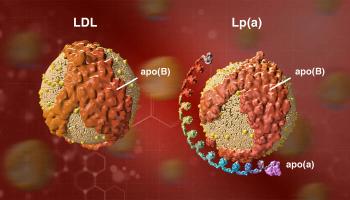
A debate on whether testing Lp(a) levels is actionable in primary prevention today offered lively discussion at the 2024 Congress of the American Society for Preventive Cardiology, being held in Salt Lake City, Utah.

Researchers believe that in their revised 4-factor model to predict patient outcomes in chronic lymphocytic leukemia (CLL), CD49d tops lactate dehydrogenase.

A joint session with the Society for Cardiovascular Computed Tomography (SCCT) took place on the first day of the American Society for Preventive Cardiology 2024 Congress in Salt Lake City, Utah.
Steve Feldman, MD, PhD, of Wake Forest University School of Medicine, considers dupilumab the "gold standard" for itch control in patients with atopic dermatitis due to its minimal adverse effects.

Adding blinatumomab to consolidation chemotherapy for B-cell precursor acute lymphoblastic leukemia (BCP-ALL) in patients without measurable residual disease (MRD) led to improvements in overall and relapse-free survival.
Jonathan Silverberg, MD, PhD, MPH, examines the significant effects of chronic skin conditions such as atopic dermatitis and prurigo nodularis on patients' well-being, emphasizing the crucial role of prompt diagnosis in managing these impactful dermatologic diseases.

Only about a quarter of patients who have myelodysplastic syndrome (MDS) experienced hematologic improvement with erythropoiesis-stimulating agents (ESAs).

An exon-skipping technique using dual single-guide RNA/Cas9 ribonucleoproteins targeted at 3 novel COL7A1 exons with pathogenic heterozygous mutations achieved exon deletion rates of up to 95%.

Advancements in Asthma Treatment: Next Steps and Insights From Clinical Development of Rilzabrutinib
Leda Mannent, MD, global project head, Immunology and Inflammation, Sanofi, outlines future steps for the clinical development of rilzabrutinib, as well as promising data to advance to phase 3 studies.

Critical voids in the management of idiopathic pulmonary fibrosis are discussed by Justin Oldham, MD, MS.
Advertisement
Advertisement
Trending on AJMC
1
TrumpRx Launch Brings Savings—and Uncertainty
2
As Cencora Closes With OneOncology, Patton Says Terms Show “Trust”
3
Benefits, Tradeoffs of Medically Integrated Dispensing in Oncology Care: Katherine Tobon, PharmD, BCOP
4
Asundexian Reduces Risk of Stroke Recurrence in Phase 3 OCEANIC-STROKE Trial
5