




Obesity
Latest News
Advertisement
Latest Videos





Shorts

0:29
Desperation Over Obesity Care Fuels Risky Injections: Angela Fitch, MD
13 days ago
by
Habiba Atta(+1 more)

0:53
The Economic Impact of GLP-1 Discontinuation: Adam Colborn, JD
2 months ago
by
Pearl Steinzor(+1 more)
0:43
Employers Choose GLP-1 Coverage Over Rising Hospital Costs: Adam Colborn, JD
2 months ago
by
Pearl Steinzor(+1 more)

0:47
GLP-1 Medication Beyond Weight-Loss Indications: Todd T. Brown, MD, PhD
7 months ago
by
Skylar Jeremias(+2 more)

0:45
Oral vs Injectable GLP-1s: Eric Levin Talks Cost
7 months ago
by
Giuliana Grossi(+1 more)

0:33
Navigating Employer Coverage for GLP-1 Medications: Eric Levin
7 months ago
by
Giuliana Grossi(+1 more)

1:03
Healthy Habits for Lasting Weight Loss: David Rometo, MD
a year ago
by
David Rometo, MD
0:43
How Payers Navigate the Economics of Weight Loss Care: David Rometo, MD
a year ago
by
David Rometo, MD

0:39
Supporting Weight Loss With Adjuvant Therapies: David Rometo, MD
a year ago
by
David Rometo, MD

0:34
Empowering Patients to Overcome Obesity Stigma: David Rometo, MD
a year ago
by
Sabrina McCrear(+1 more)
Podcasts

Advertisement
More News

GLP-1 prescribing among children aged 8 to 11 years with obesity rose 310-fold from 2019 to 2026, but use remains rare and unevenly distributed by income.

Updated systematic review finds GLP-1 therapies deliver substantial weight loss, with newer multiagonists and oral options expanding treatment choice.

At a Chicago roundtable, clinicians detailed fragmented obesity and diabetes care, transplant-access barriers, and insurance-driven prescribing decisions.

Atlanta clinicians described obesity care that stalls between routine diagnosis and delayed treatment, with coverage rules driving therapy choices.

Medicare Part D changes, premium stabilization expiration, and a Bridge demonstration converge with rising GLP-1 demand and costs.

Clinicians outline fragmented obesity and diabetes care models, insurance-driven prescribing, and early results from Medicare's GLP-1 bridge program.

Waist circumference (WC) predicts mortality risk in older adults independent of BMI, with high WC linked to 24% greater death risk, a new study finds.
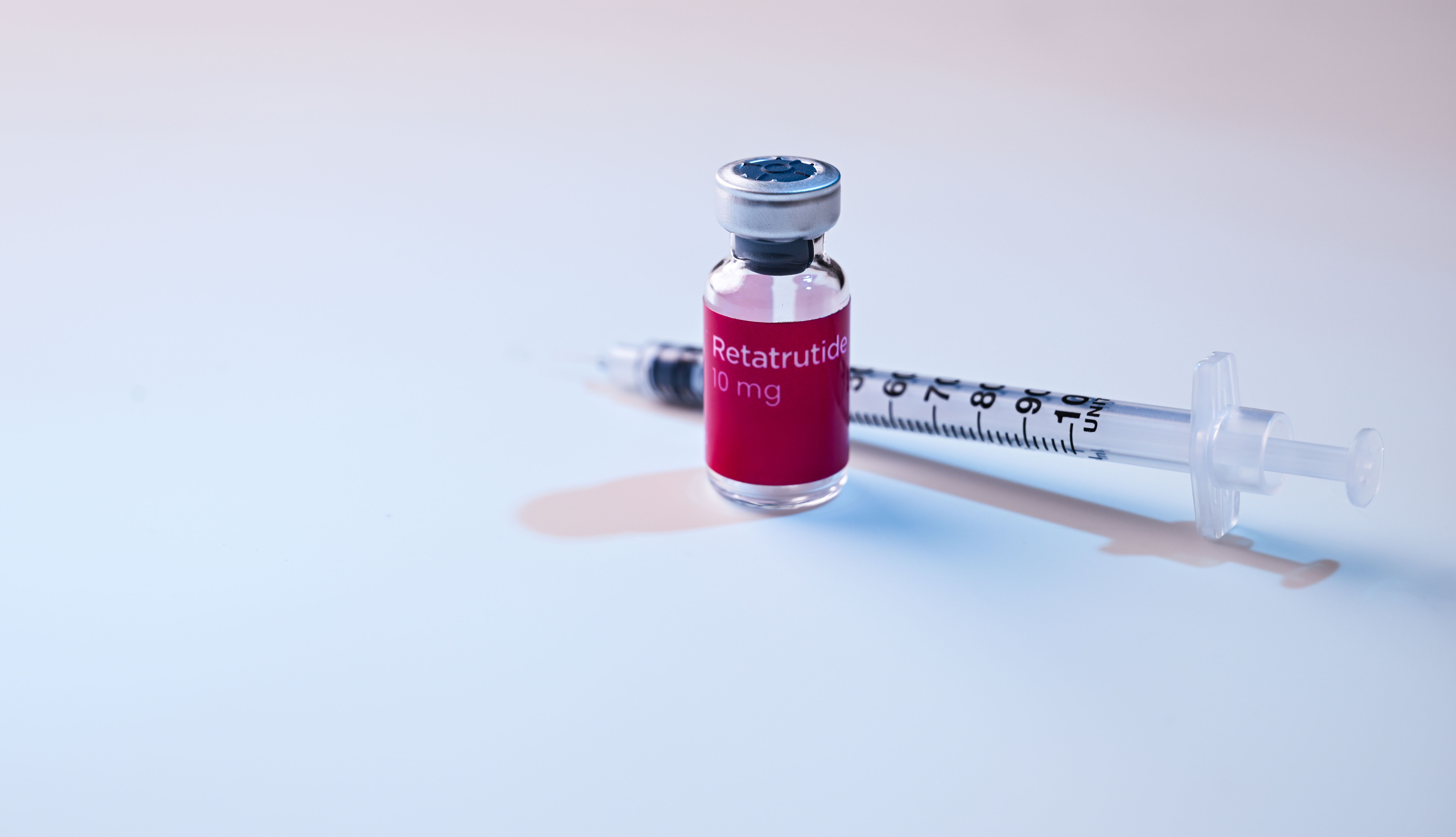
Eli Lilly's investigational triple agonist is already fueling gray-market sales and a $1 trillion valuation narrative ahead of its 2027 FDA filing.

Lilly opens early access to retatrutide for some patients before FDA approval, following scrutiny over a single earlier compassionate-use case.

GLP-1 use in adolescents and young adults with obesity rose to 96.1% as bariatric surgery fell by two-thirds, new JAMA Pediatrics data show.

Phase 3 TRANSCEND shows setmelanotide cuts BMI and hunger in acquired hypothalamic obesity, signaling a new targeted option after hypothalamic injury.

Expanded FDA indications and Medicare coverage of semaglutide for cardiovascular risk prevention were associated with increased Wegovy utilization, most notably through Medicare Part D.

Slated to run through December 31, 2027, the Medicare GLP-1 Bridge was originally supposed to run for only 6 months.
Those with class III obesity showed 7%+ weight loss with high engagement; Stephanie Kim, MD, MPH, talks GLP-1 complementarity and prospective study needs.
Adults with obesity using an AI-CGM platform lost weight nearly 3 times faster during engaged vs nonengaged periods (1.17% vs 0.44% per week).

Real-world data show AI coaching plus CGM helps adults with obesity lose up to 7% in 6 months, with engagement driving faster weekly weight loss.
Experts at ADA 2026 say nutrition guidelines must be personalized, culturally responsive, and built on research that reflects the patients they're meant to serve.
ACP's new obesity guidelines name semaglutide and tirzepatide as first-line drugs in a 4-tier hierarchy, with weight-regain warnings for all agents.

ADA 2026 spotlighted triple incretin therapy, intensive LDL lowering, and the equity gaps that keep advances from reaching all patients.

In this real-world study of patients with type 2 diabetes, treatment with semaglutide resulted in greater reductions in body weight and hemoglobin A1c than dulaglutide.
Medicare’s GLP-1 Bridge offers temporary coverage for obesity medication at $50/month, but patients face a 2027 cliff as BALANCE stalls.
Phenotype-based care improves childhood obesity diagnosis and treatment, including obesity types, hypothalamic obesity, drugs, and surgery.

A reproducible Prior Authorization Friction Index enables payers to identify glucagon-like peptide-1 delays and rework, reduce avoidable barriers, and monitor utilization, budgets, and equity in real-world practice.

Eli Lilly's triple agonist achieved 28.3% weight loss at 80 weeks and 30.3% at 104 weeks, matching bariatric surgery levels.

Most surveyed individuals with obesity support lower-cost options for weight maintenance, which would allow better coverage for injectable incretin mimetics for weight management during active weight loss.
Advertisement
Advertisement
Trending on AJMC
1
Coroner Reports Pennsylvania's Sixth Measles-Associated Death
2
CMS Rule Ends Medicaid, CHIP Funding for Pediatric Gender Care
3
MedHaul Closes Care Gaps With Single Stop for Getting Patients to Appointments
4
FDA Approves First Treatment for BCG-Unresponsive Bladder Cancer
5