
Opinion|Videos|August 20, 2025
Adverse Events Associated With Conventional Alopecia Areata Therapies
Key Takeaways
- Alopecia areata is a chronic autoimmune disorder causing non-scarring hair loss due to immune system attacks on hair follicles.
- Breakdown of immune privilege in hair follicles leads to infiltration by cytotoxic T cells, particularly CD8+ T cells.
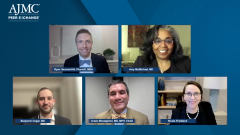
Panelists discuss how adverse events associated with conventional therapies for alopecia areata (AA) are monitored through regular patient assessments, and how these events are managed by adjusting treatment or providing supportive care as needed.
Advertisement
Episodes in this series
Video content above is prompted by the following:
- McMichael: How do you monitor adverse events with conventional therapies while treating patients for AA?
- How do you manage these events if they occur?
Advertisement
Related to this article

At IDWeek 2026, IDSA and HIVMA leaders and clinician advocates outline how stories, relationships, and bipartisan outreach shape ID and HIV policy.

Insulin icodec-abae becomes the first once-weekly basal insulin cleared for children 10 years and older with type 2 diabetes.

At IDWeek 2026, Atul Gawande, MD, MPH, said USAID cuts are costing lives but that the field is "not back at square one."

More treatment choices does not always mean better patient outcomes, with care access remaining challenging in Florida.

About 9% of adults hospitalized with RSV died in the hospital or within 30 days of discharge, according to preliminary data presented at IDWeek 2026.

A systematic review found vitamin D did not consistently reduce MS relapse rates, though some studies reported lower MRI lesion activity.

Oncologists weighted how to choose, manage, and deliver new therapeutics beyond major academic centers.

Hiddo Heerspink, PhD, discusses finerenone data in type 1 diabetes, FSGS and IgA nephropathy, and open questions on sequencing CKD therapies.
Advertisement
Advertisement
Trending on AJMC
1
Merck, Moderna Cancer Vaccine Cuts Melanoma Recurrence Risk by 42%
2
Real-World AMKD Data Highlight Quick Progression, Unmet Needs
3
IDWeek Studies Tie RSV, Flu, and COVID-19 to Harm After Acute Illness
4
Former USAID Health Chief Says Aid Cuts Are Costing Children's Lives
5