
Opinion|Videos|September 17, 2026
Capsid Assembly Modulators and the Case for Combination Therapy
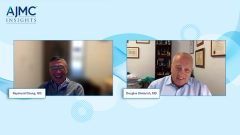
Author(s)Raymond Chung, MD, Robert G. Gish, MD
A newer generation of capsid assembly modulators may finally move the needle on surface antigen, something earlier compounds in this class could not achieve. This episode explores that shift.
Advertisement
Episodes in this series

In "Capsid Assembly Modulators and the Case for Combination Therapy," the panel turns to a less mature but promising class of therapy targeting viral capsid assembly.
Dr. Chung shifts to other, less mature classes of therapy, starting with pevifoscovir, also known as ALG-001075, describing in vitro data suggesting it works through several mechanisms, including direct antiviral activity blocking HBV DNA production, blocking cccDNA establishment, and potentially inhibiting e-antigen secretion. He asks Dr. Gish to explain its mechanism, how it compares with current standard of care, and how to interpret recent monotherapy findings showing sustained antigen reductions after 24 weeks of entecavir in a small cohort of e-antigen-positive patients.
Dr. Gish says he has been excited about capsid assembly modulators, sometimes called CAMs or CpAMs, since this class emerged, describing pevifoscovir as a true second- or third-generation compound. He explains that this class includes drugs producing empty capsids and others producing aberrant capsids, both altering viral secretion and reducing infection of other cells, which decreases total viral replication and release. He notes that pevifoscovir's surface antigen data appear to be the first meaningful signal for this drug class, since an earlier compound in the same category did not affect surface antigen and saw resistance and relapse after stopping therapy. He believes pevifoscovir could compete directly against nucleoside analogs, which rarely reduce surface antigen meaningfully, achieving only about 5% at five years with entecavir or tenofovir-based regimens.
He also describes cccDNA as constantly recycled and re-established in the nucleus, but notes that natural endonuclease activity degrades it over time, so interrupting that replenishment cycle may allow natural clearance. He credits earlier work suggesting this concept, though he believes pevifoscovir has stronger supporting data. Looking ahead, he expects combination regimens of two to four compounds, rather than any single agent, to ultimately deliver surface antigen clearance and functional cure.
In "Can Innate Immune Agonists Help Deliver Hepatitis B Cure?," the panel will unpack a therapy working through an entirely different, innate immune pathway.
Advertisement
Related to this article
Michael Mina, MD, PhD, explains which adverse events drove VYD2311's edge vs an mRNA COVID-19 vaccine and who may benefit most.

Biomarker-driven care is advancing in mantle cell lymphoma, though cost and infrastructure limit access in community oncology, according to a review.
Fibrosis stage, not MASH resolution, best predicts mortality, which should shape trial end points, says Georgetown's Zobair Younossi, MD, MPH.
Remibrutinib (Rhapsido; Novartis) is the only treatment with approved uses in both chronic spontaneous urticaria and symptomatic dermographism.
Lean MASLD shows milder histology than overweight and obese MASLD but similar mortality and event risk, with fibrosis tied to prognosis.
Hepatitis reports after vaccination were more often serious in children, but the data lack dose counts and cannot show vaccine-specific risk.

The Autus Size-Adjustable Valve, which can be expanded as children grow, may reduce the need for repeat open-heart surgeries for congenital defects.

Phase 3 wins for ianalumab and dazodalibep bring targeted therapies closer for Sjögren disease as patients face diagnostic delays and high costs.
Advertisement
Advertisement
Trending on AJMC
1
Predoc and Nebraska Cancer Specialists: Not Letting the Fax Be the Fumble
2
CMS Moves TIC Reporting to Quarterly, Sets Drug File Timeline
3
5 Things to Know if Retatrutide Is Classified as a Biologic
4
Will Cancer Care Come Home by 2030? PCOC Panelists Differ on Strategy
5