
Opinion|Videos|August 13, 2026
Hepatitis B Epidemiology: Closing the Screening and Diagnosis Gap
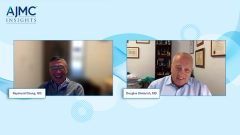
Author(s)Raymond Chung, MD, Douglas Dieterich, MD
Chronic hepatitis B remains highly prevalent yet chronically underdiagnosed in the United States. This episode reviews global and domestic epidemiology, new universal screening guidance, and a health-system model built to close the gap.
Advertisement
Episodes in this series

This episode, "Hepatitis B Epidemiology: Closing the Screening and Diagnosis Gap," features the panel examining why so many cases go undiagnosed despite new universal screening guidance.
Dr. Chung asks Dr. Dieterich to characterize the epidemiology of chronic hepatitis B in the United States and how it compares with the global picture, noting the disease remains highly prevalent worldwide yet draws less attention domestically.
Dr. Dieterich says an estimated one billion people globally have been exposed to hepatitis B, with 400 to 500 million carrying detectable surface antigen. U.S. numbers are far less certain: official estimates put the figure at two to three million, though he believes the realistic number is two to three times higher. He stresses that the vast majority of cases, both in the U.S. and globally, remain undiagnosed.
He credits recent CDC guidance recommending universal surface antigen testing for all adults, paired with vaccination for those who test negative, as a meaningful step forward. Mount Sinai implemented universal testing before the CDC guidance was finalized, rolling it out across roughly 60 primary care practices and pairing it with patient navigators who coordinate care for anyone not already receiving treatment.
Dr. Dieterich cites New York City Department of Health data showing a 3.1% hepatitis B surface antigen prevalence citywide, translating to roughly 250,000 of the city's 8 million residents. Since the World Health Organization defines an endemic country as having 2% prevalence or higher, he argues New York City qualifies as endemic, and Dr. Chung suggests it may even be better described as epidemic. Dr. Dieterich agrees that prior risk-factor-based screening approaches were largely unproductive, reinforcing the rationale behind the CDC's newer recommendation for one-time universal adult screening. Dr. Chung calls this shift the most important development in hepatitis B epidemiology and case identification in a long time.
Our next episode, "Monitoring Disease Progression and Liver Cancer Risk in Hepatitis B," turns to how disease progression unfolds once a patient is diagnosed.
Advertisement
Related to this article

At a roundtable in Cleveland, kidney experts said IgA nephropathy and FSGS often go unrecognized, calling for EHR flags and better referral channels.
AI quantitative CT (UCLA QILD, Brainomix e-Lung) predicts FVC decline and drug response in PPF, strengthening biomarkers beyond spirometry in INBUILD.

The conference session featured updates on several clinical trials, including the BRUNELLO trial, for treatment of diabetic macular edema (DME).

Panelists engaged in a debate regarding using complement inhibitors in geographic atrophy, gauging public sentiment with a deciding vote.

A session at AAO 2026 highlighted how big data and minimally invasive glaucoma surgery (MIGS) could be utilized to help patients receive peak care.

Medicaid expansion was associated with lower colorectal cancer mortality, with the largest reductions in Hispanic patients and stage IV disease.

Cepheid's Connie Savor, MD, MBA, explains where its 13-pathogen respiratory panel fits in diagnostic stewardship and antibiotic decisions.

The FDA approves atezolizumab with a fluoropyrimidine and oxaliplatin as adjuvant therapy for stage III dMMR colon cancer based on the ATOMIC trial.
Advertisement
Advertisement
Trending on AJMC
1
Medicare Drug Price Negotiations Yield Uneven Out-of-Pocket Savings
2
Rusfertide Keeps Working Where Hydroxyurea Fades: Andrew Kuykendall, MD
3
CMS Rule Ends Medicaid, CHIP Funding for Pediatric Gender Care
4
Lymphoma Outcomes Hinge on Oncology, Not Viral Load In People With HIV
5