




Clinical
Latest News
Advertisement
Video Series
Latest Videos




Advertisement
More News

This year's most-watched video evaluated how President Donald Trump's rescission of several Biden-era executive orders may impact Medicaid and Medicare initiatives.

A recent review suggests women with ovarian or colorectal cancer face a higher risk of developing the other, highlighting the need for surveillance.

Real-world evidence highlights the effectiveness of lisocabtagene maraleucel in treating relapsed or refractory chronic lymphocytic leukemia (R/R CLL).

Our top 5 heart failure content of 2025 include FDA approvals, GDMT optimization, risk markers like LBBB and SDOH, and value-based care models improving outcomes in heart failure.

Early phototherapy significantly enhances hair regrowth in alopecia areata, especially when started within a year of symptom onset.
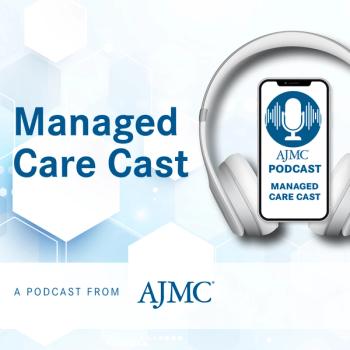
Angela Liu, PhD, MPH, speaks about her study that examined mental health care use by Medicare beneficiaries before and after switching from MA to TM.

Our conference coverage featured updates on clinical trials testing new treatments for NSCLC, bladder cancer, and breast cancer.
Experts discuss the unmet needs in desmoid tumor management, emphasizing personalized treatment, quality of life, and the importance of specialized care.
At ASH 2025, sonrotoclax demonstrated encouraging response rates and a favorable safety profile as a single-agent BCL2 inhibitor in heavily pretreated, largely refractory mantle cell lymphoma.
Explore the latest advancements in HER2-positive breast cancer treatments, highlighting the promising results of DESTINY-Breast trials for improved patient outcomes.
Experts discuss the challenges of diagnosing rare diseases and the potential role of AI in improving patient management and treatment outcomes.
Achieving equitable access to anti-fibrotic drugs requires multi-stakeholder collaboration, while the most critical unmet clinical need remains overcoming late and misdiagnosis through targeted education to ensure earlier therapy and better patient outcomes.
Explore the integration of Desmoid Tumor Working Group recommendations with NCCN guidelines and the importance of shared decision-making in patient care.
Following the clinical success of new agents like nerandomilast, the next critical steps for managing ILD involve dismantling financial and geographical barriers to access, and rigorously integrating comprehensive, multidisciplinary supportive care including pulmonary rehabilitation and comorbidity management.

Intravenous (IV) and subcutaneous (SC) formulations each play important roles in modern oncology care, with distinct strengths and limitations. IV administration offers established dosing precision, flexibility for complex regimens, and familiarity across oncology practices, but it is often associated with longer chair time, higher staffing demands, and increased use of infusion resources. In contrast, SC injections provide a more streamlined approach, with shorter administration times and reduced need for infusion infrastructure. Emerging evidence suggests that SC formulations can meaningfully decrease health care utilization, improve clinic efficiency, and enhance patient convenience without compromising clinical outcomes. For patients, SC delivery may translate into less time in the clinic and a more favorable treatment experience, while practices may benefit from improved throughput and optimized resource allocation. Together, these considerations highlight the growing value of SC formulations in evolving oncology care models.

Managed care organizations must prioritize dextromethorphan-bupropion based on sustained efficacy, improved remission rates, and long-term safety data to reduce costly treatment-resistant depression.
At ASH 2025, sonrotoclax demonstrated encouraging response rates and a favorable safety profile as a single-agent BCL2 inhibitor in heavily pretreated, largely refractory mantle cell lymphoma.
Discover how advancements in HER2-positive breast cancer treatment enhance patient outcomes through personalized therapies and innovative strategies for both early and metastatic stages.
New data suggests dextromethorphan plus bupropion may offer managed care cost containment by increasing remission rates in depression.

Zoe D. Draelos, MD, from Duke University, notes that clascoterone cream's unique sebum reduction mechanism provides effective, highly tolerable, and core acne treatment.

The FDA approved subcutaneous mosunetuzumab for relapsed follicular lymphoma, providing a more convenient outpatient option.

ASCO 2025 highlighted breakthroughs, including improved cancer survival in key trials, new AI guideline tools, and expanding GLP-1 cancer research.

At ASH 2025, iMMagine-1 data showed that anito-cel has a favorable and durable safety profile with low rates of severe CRS, neurotoxicity, and infections.

Studies indicate that ultrasound-based AI models significantly outperform sonographers in diagnosing ovarian cancer.
Panelists discuss how evidence-based, patient-tailored guideline adherence enhances long-term schizophrenia outcomes.
Advertisement
Advertisement
Trending on AJMC
1
TrumpRx Launch Brings Savings—and Uncertainty
2
Benefits, Tradeoffs of Medically Integrated Dispensing in Oncology Care: Katherine Tobon, PharmD, BCOP
3
PBM Reforms Signed Into Law, Reshaping Medicare Part D Drug Pricing Transparency
4
As Cencora Closes With OneOncology, Patton Says Terms Show “Trust”
5