



Clinical
Latest News

Advertisement
Video Series

Latest Videos






Shorts

0:41
How Rhenium Nanoliposomes Target Leptomeningeal Metastases: Andrew Brenner, MD
2 months ago
by
Sabrina McCrear(+1 more)
1:11
Understanding LM Therapy Across Breast Cancer Subtypes: Andrew Brenner, MD
2 months ago
by
Sabrina McCrear(+1 more)

1:32
Getting Lenacapavir on Insurance Plans Is Key to Uptake: Antonio Urbina, MD
2 months ago
by
Julia Bonavitacola(+1 more)

0:37
Oral Pill Removes Barrier to Cholesterol-Lowering Therapy: Ann Marie Navar, MD, PhD
2 months ago
by
Laura Joszt, MA(+1 more)

0:26
Vtama Shows Strong Efficacy and Safety Even in Patients With Comorbidities: Druhan Howell, MD
3 months ago
by
Sabrina McCrear(+1 more)
0:34
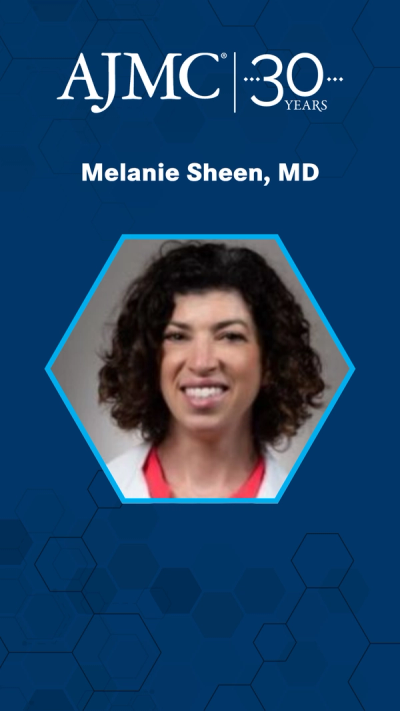
The Trade-Off: Side Effects vs Longer Life on New Cancer Treatments: Melanie Sheen, MD
3 months ago
by
Sabrina McCrear(+1 more)

0:31
This Is How Clinical Trials Remove Financial Barriers: Lingling Du, MD
3 months ago
by
Sabrina McCrear(+1 more)
0:42
The “Game-Changing” Innovations Preventing Metastatic Breast Cancer: Melanie Sheen, MD
3 months ago
by
Sabrina McCrear(+1 more)

0:56
Uncovering Addressable Risk Factors in COPD: Christopher Carlin, MBChB, PhD
3 months ago
by
Maggie L. Shaw(+1 more)

0:31
Response Rate Doubles for Heavily Pretreated TNBC: Erika Hamilton, MD
3 months ago
by
Sabrina McCrear(+1 more)
Podcasts



CME Content


Advertisement
More News

Adults who are underweight, overweight, or obese face higher medical expenditures, varying by age, sex, and care setting.

Ongoing phase 3 trials target improved therapies for hematologic malignancies, focusing on CLL, multiple myeloma, and pediatric leukemia outcomes.
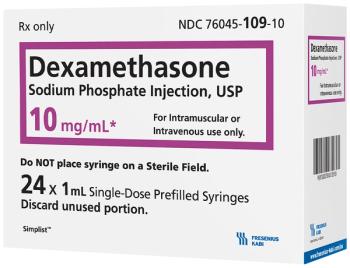
Dexamethasone pretreatment significantly reduces GI complications in DLBCL patients undergoing R-CHOP, maintaining efficacy and improving safety.

These findings support the potential role of ctDNA in prognostic assessment and early intervention.

Phase 2 trial results show anlotinib with anthracyclines and ifosfamide yields a 30.8% ORR and an 82.7% DCR in advanced soft tissue sarcoma.

There is a shift happening in mental health care, with real-world data and holistic evaluations improving patient outcomes and reducing disparities.

Oral nalbuphine significantly reduced cough frequency and severity in idiopathic pulmonary fibrosis (IPF), with patients seeing greater benefit at higher doses.
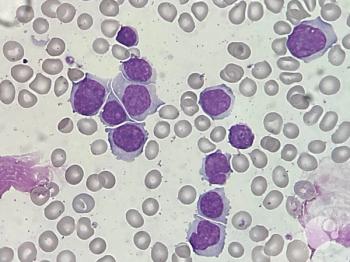

Early phase 1 data suggest that in vivo, off-the-shelf CAR T therapy may be feasible in multiple myeloma, offering the promise of faster, less toxic treatment without lymphodepletion while raising important questions about durability, safety, and patient selection.

Michael Wang, MD, highlights ASH 2025 data showing how continual innovation across targeted agents, cellular and immune therapies—paired with MRD monitoring and intensified maintenance strategies—is redefining outcomes in mantle cell lymphoma.

Remote patient monitoring can safely enable outpatient bispecific dosing for selected patients, but older or high-risk individuals may still require closer human oversight and structured support.
Michael Wang, MD, highlights standout translational studies from ASH 2025 that advance understanding of prognosis and drug resistance in mantle cell lymphoma through epigenetic profiling and the biology of drug-tolerant persister cells.
Combining complementary targeted therapies for multiple myeloma has shown impressive efficacy, but safety, quality of life, and costs must also be considered.
Data suggest that remote patient monitoring may support outpatient step-up dosing of bispecific antibodies by enabling earlier CRS detection.

The FDA believes that data on MRD and complete response can expedite new drug delivery compared with long-term survival indicators.

Sleep-focused TNX-102 SL delivered significant benefits in a phase 3 fibromyalgia study.

Patients with psychiatric disorders had higher CRC risk but no increase in CRC-specific mortality.
Chronic gastrointestinal disorders are common and costly for employers. Use of a digital digestive care program was associated with reduced health care spending.
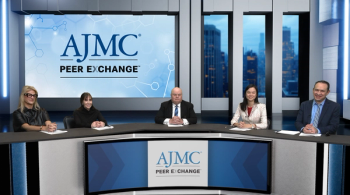
Experts discuss the current status of neoadjuvant ADC therapies, eligibility criteria, and future treatment pathways for high-risk patients.

Discover the latest insights on Zongertinib's efficacy and safety for HER2-mutant non-small cell lung cancer, promising new treatment options.
Explore the latest strategies for selecting treatment regimens in HER2-positive breast cancer, focusing on safety and patient-specific factors.
Explore the differences between emerging HER2-targeted TKIs, Zongertinib and Seviberatinib, and their therapeutic implications in cancer treatment.

A systematic review reveals that cardiovascular risks emerge early in chronic kidney disease, highlighting the need for tailored management strategies.

Minimizing the use of corticosteroids in clinical practice can help to prevent any long-term impact on patients with myasthenia gravis.

Phase 2a data show oral GRI-0621 was safe and improved immune and fibrosis biomarkers, supporting disease-modifying potential in IPF.
Advertisement
Advertisement
Trending on AJMC
1
TrumpRx Launch Brings Savings—and Uncertainty
2
How Do GLP-1 Agonists Fit Into Stroke Care?
3
Addressing Disparities at Every Step of the Stroke Care Pathway: Luke Messac, MD, PhD
4
Aligning Treatment Goals in IgA Nephropathy: Applying KDIGO’s Dual-Pathway Framework to Clinical Decision-Making
5