





Health Care Delivery
Latest News
Advertisement
Latest Videos








Advertisement
More News

Posters presented at the American Academy of Ophthalmology 2022 annual meeting show that the treat-and-extend (T&E) regimen was effective in managing neovascular age-related macular degeneration (nAMD), which makes adherence to treatment vital for long-term outcomes.

The presentation focused on the Protocol AC trial, which considered whether step therapy had an impact on visual outcomes for patients starting on bevacizumab and switching to aflibercept later.

Patients with alopecia areata showed improved response rate with oral Janus kinase (JAK) inhibitors vs topical and sublingual JAK inhibitor administration.

A panel discussion at the 70th Annual Roy A. Bowers Pharmaceutical Conference addressed recent care delivery initiatives in New Jersey that aim to address health inequities and other population health concerns.

This new study explored the diagnostic utility and accuracy of 2-photon fluorescence microscopy (TPFM) among nonmelanoma skin cancers, which included basal cell carcinoma and squamous cell carcinoma.

Melissa O'Connor, PhD, MBA, RN, FGSA, FAAN, endowed professor in Community and Home Health Nursing, M. Louise Fitzpatrick School of Nursing, Villanova University, and director, Gerontology Interest Group, discussed several factors for clinicians to consider in creating plans to discharge adults from skilled home health care.

Coverage of our peer-reviewed research and news reporting in the health care and mainstream press.

There is wide variation in the governance over research participant pay, and with rapid advances in technology enabling trial access, industry should step up and pay patients what they are worth, says Gunnar Esiason, a patient advocate living with cystic fibrosis.

This potential outcome was particularly evident among study participants who had heart failure (HF) with preserved ejection fraction, a subtype of HF with few therapeutic options.

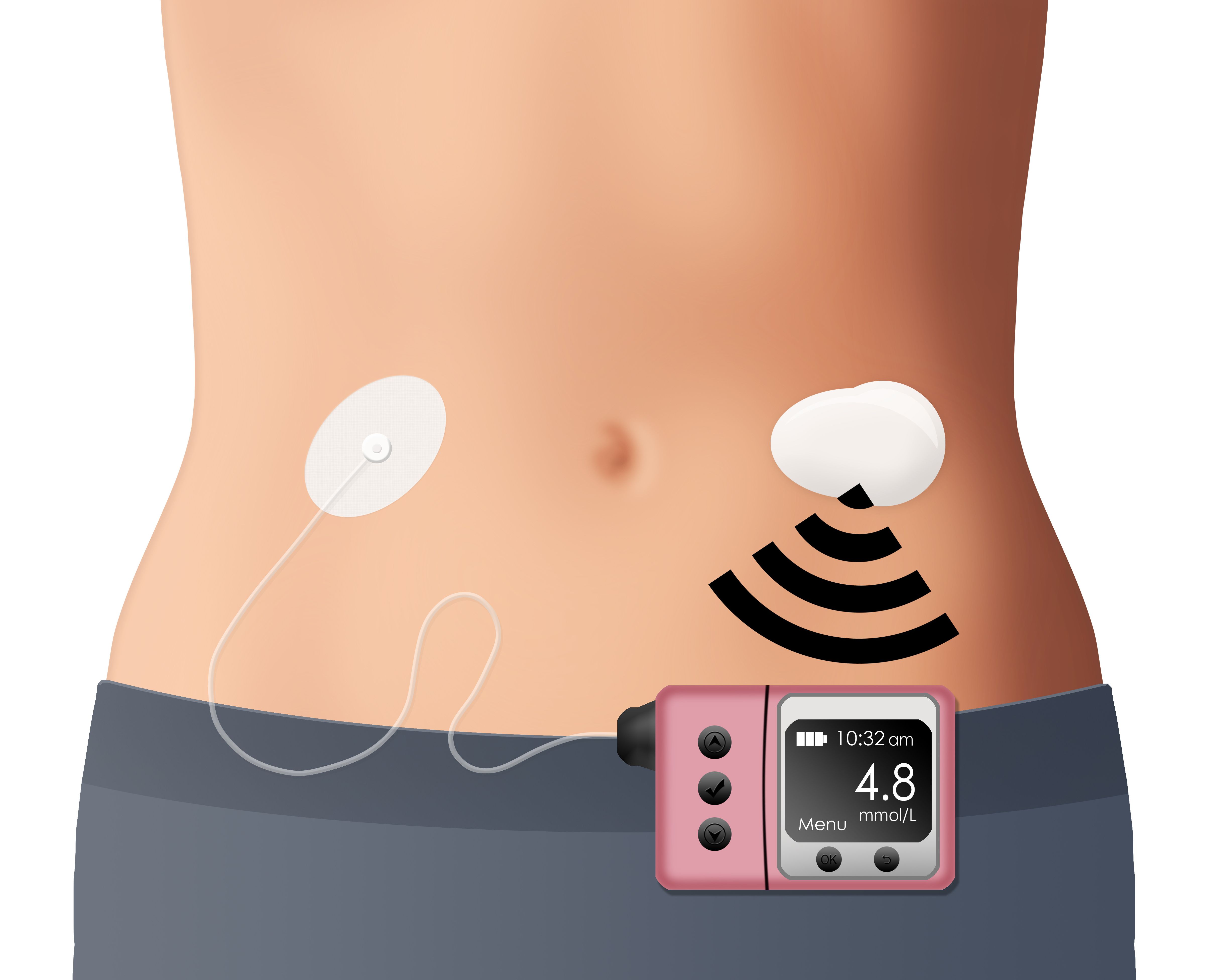
Data showed that patients using diabetes technology incorporated different strategies to prevent nocturnal hypoglycemia vs patients who did not use such technology.

The CDC this week noted what providers and parents have been seeing across the country: rising cases of a non-polio enterovirus causing severe respiratory illness and acute flaccid myelitis (AFM).

With a high recurrence rate following surgery to treat chronic sinusitis with nasal polyps, authors set out to investigate the effectiveness and safety of endoscopic sinus surgery (ESS) in a pediatric patient population.

An FDA advisory committee recently issued a positive vote for Ferring’s RBX2660, an investigational microbiota-based live biotherapeutic, for its potential in reducing recurrent Clostridioides difficile infection after antibiotic treatment.

Outcomes following right heart catheterization in a pediatric patient population were analyzed, with emphasis placed on risk of adverse outcomes following the procedure, especially the development of pulmonary hypertensive crisis (PHC).

Adherence to 8-week square-stepping exercise training among patients with Parkinson disease was associated with significant improvement of executive functioning, as well as cognitive functioning for those with mild cognitive impairment.

This new series of cases suggests that technology can help nurses remotely identify relevant health events that could be indicative of exacerbations or changes in their condition.

One of the key findings of the report is that 42 states saw an increase in the proportion of patients with opioid and opioid-like drug overdoses compared with the total number of patients using medical services by state.

This new study investigated risk factors for basal cell carcinoma (BCC) recurrence in the head and neck region.

Patients requiring maintenance hemodialysis (MHD) had a 4-fold higher risk of Clostridioides difficile infection (CDI), with rates of CDI increasing over time regardless of MHD requirement.

A recent review details strategies for mitigating the risks faced by pregnant patients with hemophilia or von Willebrand disease and their children.

The recommendations aim to make this type of evaluation more consistent in cases when children have suspicious bruising or bleeding patterns.

Significant alterations were observed in lipid levels and other skin biomarkers for infants who developed atopic dermatitis (AD) vs controls, with phytosphingosine associated with the highest AD prediction accuracy.

Only about 11% of patients received care meeting a composite quality metric, a study found.

The patient was successfully treated with rituximab and intravenous immunoglobulin.

Tobacco smoking, depression, and increasing number of comorbidities were associated with reduced treatment satisfaction among patients with hidradenitis suppurativa.
Advertisement
Advertisement
Trending on AJMC
1
FDA Expands Finerenone Approval to CKD Associated With Type 1 Diabetes
2
A Patient-Centered Reconstruction of 340B in Oncology: Transparency, Equity, and Site-of-Care Accountability
3
Delayed Dupilumab Raises Asthma Costs 32%: Nicola Hanania, MD
4
Across the US, Obesity Care Still Lacks an Owner
5