
Opinion|Videos|September 28, 2026
Achieving Equitable Community CAR T-Cell Access
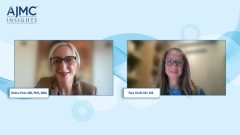
Dr. Patt and Dr. Graff close with a call to action for policy, payers, and practices to accelerate equitable access to CAR T-cell therapy in community oncology.
Advertisement
Episodes in this series
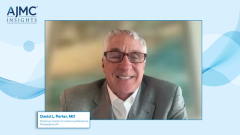
"Achieving Equitable Community CAR T-Cell Access" closes the series with a look at what happens next.
Dr. Graff predicts the FACT versus non-FACT debate will not resolve quickly, but expects payers and FACT itself will eventually be forced to loosen stringent guidelines as patient volume keeps outpacing accredited capacity. She argues progress requires pharmaceutical companies, physicians, and patients alike to advocate loudly for change, and says the treatment landscape, along with payer and FACT perceptions, will keep evolving.
Dr. Patt notes some states, including Texas, have already passed policy preventing FACT accreditation from serving as a barrier to CAR T coverage, though ERISA governs roughly 80% of payers nationally, limiting state policy's overall reach. She raises the possibility that federal policy could eventually address the gap, and asks what individual practices can do in the meantime. She points to Community Oncology Alliance resources, including standard operating procedure playbooks led by Christine Faft, along with community-access programs from manufacturers like Kite and BMS, and stresses the ongoing need to close educational gaps for patients and caregivers.
Dr. Graff describes her own approach: writing and publishing clinical guidelines, training hospital staff and nurse leaders on her own time, and leaning on peer networks like the Exigent Research Network, where 19 of more than 30 member sites are already building CAR T programs on top of established bispecific infrastructure. She values learning from community peers over academic or pharma perspectives, and credits BMS and Kite for helping address logistical hurdles like apheresis access and just-in-time product delivery for sites without proper storage. Dr. Patt closes by highlighting Texas Oncology's ATTIC council and groups like Integra Connect as additional resources, thanking Dr. Graff for a rich and informative discussion.
Thank you for watching this AJMC Insights series on CAR T-cell therapy access. Please subscribe to our eNewsletter for information on upcoming video series.
Advertisement
Related to this article

Legal and clinical experts examined the US medical aid in dying framework, its limits, and ethical debates.

Myeloma faculty from UT Southwestern Medical Center and pharmacy leaders from Texas Oncology discussed how teclistamab- and talquetamab-based regimens are reshaping early relapse in multiple myeloma. Observation-stay economics and physician comfort, not clinical data, are slowing delivery closer to home.

Speakers at IDWeek 2026 urged shifting global health partnerships from donor-recipient models to shared, locally led ownership as funding contracts.

Insmed launches once-daily brensocatib in Japan, the country's only approved treatment for noncystic fibrosis bronchiectasis.

Off-the-shelf CTX110 allogeneic CD19 CAR T shows responses in relapsed/refractory B-cell lymphoma, with manageable cytokine release syndrome.

Declining serum GFAP during MS treatment was tied to lower PIRA risk, supporting its use as a biomarker for treatment response.
David G. Mitchell, PharmD, MBA, CSP, FCPhA, of UC Davis Health, explains how AI-assisted prior authorizations have reduced denials and staff time without replacing pharmacist judgment.

Nearly half of working-age adults were inadequately insured in 2026, and half went without needed care due to cost, a Commonwealth Fund survey found.
Advertisement
Advertisement
Trending on AJMC
1
Bepirovirsen Approval Offers New Option for Chronic HBV Treatment
2
Extension Studies in TPIP Show Promise in PAH, PH-ILD
3
Inhaled Amikacin Raises Culture Conversion in New MAC Lung Disease
4
Bronchiectasis GWAS Highlights Candidate Targets Shared With COPD
5