
Opinion|Videos|May 21, 2025
Ideal Candidates for Bronchiectasis Surgeries
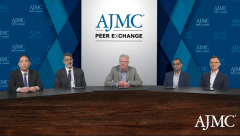
Panelists discuss how ideal candidates for bronchiectasis surgery have localized disease on CT scan and bronchoscopy, adequate pulmonary function (orced expiratory volume in 1 second > 40%), and whose infections are controlled prior to surgery.
Advertisement
Episodes in this series
Clinical Brief: Surgical Management of Bronchiectasis
Main Discussion Topics
- Ideal surgical candidates have localized disease and adequate pulmonary function.
- Preoperative optimization of infection status is crucial for successful outcomes.
- Collaboration between pulmonologists and surgeons is essential during patient selection.
Key Points for Physicians
- Surgical consideration criteria:
- Forced expiratory volume in 1 second and diffusing capacity of the lung for carbon monoxide values of greater than 40% to minimize morbidity and mortality
- Disease localized to a segment or lobe on CT imaging
- Identification of affected area via bronchoscopy
- Adequate control of active infection before surgery
- Common indications include:
- Refractory infections despite optimal medical management
- Intolerance to long-term antibiotics
- Aspergillus fungal masses
- Macrolide-resistant nontuberculous mycobacteria with localized infection
- Hemoptysis (after initial management with bronchoscopy/embolization)
Notable Insights
Complete resection of affected areas can lead to significant symptom improvement and reduced need for ongoing medications when disease is localized.
Clinical Significance
Surgical management represents an important option for select patients with bronchiectasis with localized disease when medical management has failed to control symptoms or infections.
Advertisement
Related to this article

Insmed’s once-daily TPIP prodrug shows sustained lung vasodilation in PAH and PH-ILD, improving walk distance, PALM outcomes, and quality of life.

ASPEN links green sputum to neutrophils and exacerbations; brensocatib (DPP1) lowers purulence, while meta-analysis supports fewer flare-ups in bronchiectasis.

Experts at CHEST 2026 urge pulmonologists to keep lung cancer in mind for younger patients who never smoked, to order screening and biomarker testing themselves, and to advocate for patients' access to care.

Phentolamine 0.75% (Ryzumvi) won FDA approval for presbyopia based on the phase 3 VEGA-2 and VEGA-3 trials.

Satralizumab, a first-in-class IL-6 receptor inhibitor, was approved for adults with thyroid eye disease based on the phase 3 SatraGO program.

A higher PNR is associated with lower odds of MASLD and advanced liver fibrosis, but further studies are needed to validate findings.

Speakers at CHEST 2026 walked through the first CHEST guideline for non-CF adult bronchiectasis, including which preventive therapy to start first.

SaTScan detects an acute HCV outbreak cluster in California, showing the potential of automated surveillance, though real-time testing is needed.
Advertisement
Advertisement
Trending on AJMC
1
Patents, Rebates, and a Policy Patchwork Keep Inhalers Costly, Panelists Say
2
How Flatiron Health’s Network Chief Is Building the Future For (and With) Community Oncology Practices
3
Administrative Burden Keeps Clinicians From Bedside: Amy Morris, MD
4
CHEST: The Face of Lung Cancer Has Changed, but Screening, Care Have Gaps
5