
Hematology
Latest Content
Advertisement
Latest Videos
Shorts

0:52
EHA 2026 Highlights Include Advances in Pediatric ALL, Immunotherapy: Shannon L. Maude, MD, PhD, and Martin Schrappe, MD, PhD
4 months ago
by
Brooke McCormick(+2 more)
1:00
Challenges of Diminishing Returns in CLL Treatment: Adam Kittai, MD
5 months ago
by
Maggie L. Shaw(+1 more)
0:30
How Academic Centers Can Support Community Hospitals: Andrew Yee, MD
8 months ago
by
Sabrina McCrear(+1 more)
1:09
Advanced Multiple Myeloma Therapies Require Dedicated Teams, 24/7 Support for Safe Patient Care: Ameet Patel, MD
9 months ago
by
Brooke McCormick(+1 more)
1:15
Strengthening Trial Infrastructure to Broaden Patient Access: Tina Bhatnagar, DO
9 months ago
by
Maggie L. Shaw(+1 more)
0:39
Closing Data Gaps in Precision Oncology: Tina Bhatnagar, DO
9 months ago
by
Maggie L. Shaw(+1 more)
0:34
Remote Support Care and Drug Authorization: Kelley L. Julian, PharmD, BCOP
a year ago
by
Maggie L. Shaw(+1 more)
1:35
Expanding Access to Clinical Trials Through Community Partnerships: Amy Zhou, MD
a year ago
by
Hayden E. Klein(+1 more)
Advertisement
More News
CAR T remains Madhav Seshadri, MD's top pick for eligible relapsed/refractory DLBCL, though bispecific antibody regimens are viable alternatives.
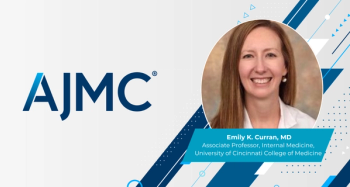
The disparity in outcomes between pediatric and young adult patients with ALL is multifactorial, explained Emily K. Curran, MD.

The BTK inhibitor also showed fewer severe adverse events and better patient-reported quality of life than chemoimmunotherapy.
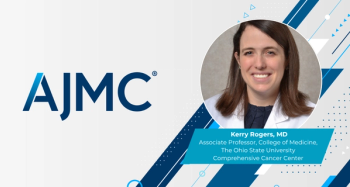
Prior to receiving CAR T-cell therapy, patients undergo lymphodepletion chemotherapy, explained Kerry Rogers, MD, The James.

All from July, these 5 novel therapeutics each claimed a “first” in their category.

The authors suggest their data could reflect phlebotomy’s role as a reactive rather than sustained control measure.

Higher CCI scores, prior infection, and prior prophylactic anti-infective treatment were associated with greater risk of subsequent infection in both cancers.

The goal of transplant is to give rise to new immune cells capable of hunting down and destroying resistant leukemic cells, says Karilyn Larkin, MD.
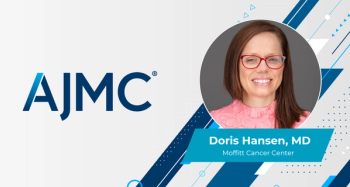
Doris Hansen, MD, co-led "Bridging the Gaps in Health Equity and Access in Multiple Myeloma" on May 2, 2026, in Tampa, Florida.
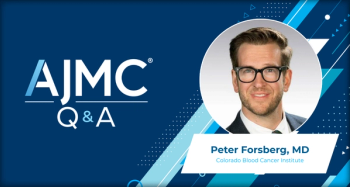
Peter Forsberg, MD, discusses referral pathways, payer barriers, and expanding access to CAR T-cell and bispecific therapies.
Peter Forsberg, MD, discusses why health systems must adapt to expand equitable access to CAR T-cell and bispecific therapies.

Experts discussed innovations in oncology care, treatment access, pharmacy workflows, and patient outcomes.

The new MonumenTAL-6 combination data appear to exceed MajesTEC-9 numbers.

New data suggest acalabrutinib appears to reduce the target that macrophages are supposed to recognize in patients with CLL.

Each visit incorporated instruments that included symptom burden, fatigue, anxiety and depression, nutritional risk, and patient activation.

These findings reinforce that matching therapy intensity and type to genetic and treatment-history profile is likely to be the next lever for improving outcomes.
Hans Lee, MD, lays out the tradeoffs in travel, time off therapy, and who each option realistically fits when looking at CAR T-cell and bispecific therapies.
Kerry Rogers, MD, unpacks why patients often misread CAR T-cell therapy in CLL as a guaranteed cure, and what the data really show.
Moving to a subQ formulation makes sense, if you want to be 100% convenient for patients and the centers that treat them, explains Xavier Leleu, MD, PhD.
These results provide support for a potential new standard of care in the relapsed/refractory setting.

This research reinforces that fixed-duration, chemotherapy-free regimens can offer both a tolerability and a patient-experience advantage over CIT.
Emily K. Curran, MD, addresses why patients with leukemia often need her more than their own primary care physician and what changes when they don’t.
This analysis, presented by Rahul Banerjee, MD, FACP, at EHA 2026, builds on data that supported the FDA’s March 2026 approval of teclistamab.
Patients with a history of nonmelanoma skin cancer had a 548% greater likelihood to develop another skin cancer vs those with no cancer history.
Swarup Kumar, MD, also details treating incarcerated patients with bispecifics and pursuing cure-focused therapy sequencing in myeloma.
Emily Curran, MD, University of Cincinnati, calls for decentralized trials and stronger community-academic ties to widen ALL patient access.
INCA033989 showed responses across type 1 and type 2 mutant calreticulin-positive myelofibrosis, with phase 3 studies underway.
Kerry Rogers, MD, at The James, unpacks what these questions mean for patient counseling and clinical trial equity in chronic lymphocytic leukemia (CLL).
The senior director of the Clinical Trial Support Center at Blood Cancer United explains how nurse navigators help patients reach a 20% trial enrollment rate.
Karilyn Larkin, MD, traces her equity focus to her medically underserved hometown, urging new diagnostics, trial design, and honest patient talks to close AML gaps.
Advertisement
Advertisement
Trending on AJMC
1
Merck, Moderna Cancer Vaccine Cuts Melanoma Recurrence Risk by 42%
2
IDWeek Studies Tie RSV, Flu, and COVID-19 to Harm After Acute Illness
3
Real-World AMKD Data Highlight Quick Progression, Unmet Needs
4
Former USAID Health Chief Says Aid Cuts Are Costing Children's Lives
5