

The Consolidated Appropriations Act of 2026 acts as a first step in addressing prescription drug pricing challenges related to the role of pharmacy benefit managers (PBMs).
The Consolidated Appropriations Act of 2026 acts as a first step in addressing prescription drug pricing challenges related to the role of pharmacy benefit managers (PBMs).
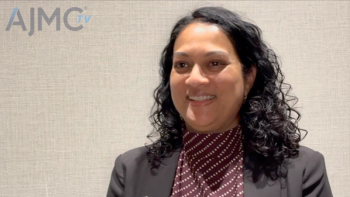
Patient navigators, community health workers, and/or peer advocates serve as trusted community resources for patients, Susan Vadaparampil, PhD, MPH, says.

A Quebec cohort study links gas station proximity to higher VOC exposure and elevated childhood cancer risk, especially acute lymphoblastic leukemia.

The postpandemic reinstatement of Medicare’s 3-day rule lengthened hospital stays without affecting SNF use, spending, or short-term outcomes, raising questions about its value.
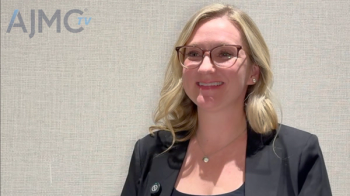
Medically integrated dispensing is well-positioned to support value-based oncology care models and closer patient follow-up and monitoring, says Katherine Tobon, PharmD, BCOP.
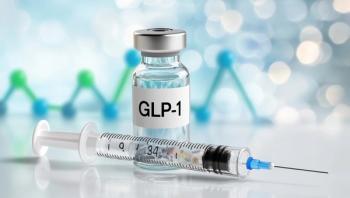
To protect patients, the FDA will restrict ingredients in unapproved compounded GLP‑1 drugs and crack down on misleading marketing.
From prior authorization delays to PBM reforms and Medicaid gaps, experts track policy shifts that shape health equity and health care access nationwide.

Ashkan Shoamanesh, MD, discusses a secondary analysis of the efficacy and safety of the factor XIa inhibitor asundexian by underlying stroke etiology.

The authors call for policy reforms that could strengthen patient-provider relationships, support care innovation, and improve quality for Medicare beneficiaries.

MID in oncology also enhances treatment adherence and improves patient outcomes, according to Kenneth Komorny, PharmD, BCPS.
Medically integrated dispensing (MID) improves monitoring and supports value-based care, but startup costs and payer barriers remain, notes Katherine Tobon, PharmD, BCOP.

Alopecia profoundly disrupts identity, emotional wellbeing, and social life, with many people struggling due to stigma, concealment pressures, and unmet psychological support needs.

Oral semaglutide (Wegovy; Novo Nordisk) expands GLP-1 weight-loss options, but pharmacy budgets and health care cost pressures persist.
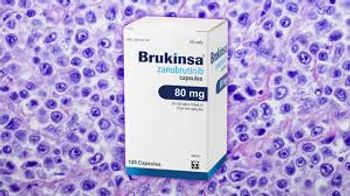
A study from Sweden, the largest of its kind, challenges the standard 24-month milestone as the key point when early relapse is a concern.

Study links elevated serum haptoglobin to chronic spontaneous urticaria activity, suggesting it predicts treatment response and complete disease control.

Real-world ONCare data show acalabrutinib lowers new-onset HTN, CV events, and discontinuations vs ibrutinib in R/R CLL/SLL.

In a pair of lively debates at the International Stroke Conference 2026, experts from around the world discussed controversies in stroke care.
Susan Vadaparampil, PhD, MPH, highlights disparities in cancer outcomes and trial enrollment but underscores that linking community screening programs with cancer centers may help.

Coverage of our peer-reviewed research and news reporting in the health care and mainstream press.
Experts at ISC 2026 highlighted growing evidence that GLP-1 receptor agonists may reduce stroke risk and support brain health through anti-inflammatory, vascular, and neuroprotective mechanisms.
ED dizziness visits see rising MRI use at discharge; exam-guided imaging helps detect missed strokes and informs secondary prevention.

Stroke recovery improves when care addresses social needs like reducing loneliness and depression and strengthening support.

First announced in September 2025, the online platform is set to offer access to prescription medications at steep discounts, with potential savings in the millions.
Targeted therapies, bispecifics, and CAR T-cell therapies are giving patients with multiple myeloma hope for long-term remission or a potential cure.

Across 39 patients in 2 cohorts, rapid microbe reduction, high wound closure, restored warmth and sensation, and avoided amputations were observed.

A deep-learning serial CT response score outperformed conventional imaging measures in predicting OS for patients with advanced NSCLC treated with ICIs.

City St. George’s researchers identified 9 genetic signatures and epigenetic changes driving lapatinib resistance in HER2-positive breast cancer.

Oral Wegovy shifts GLP-1 obesity costs: insurance may match injectables, while cash-pay and pharmacy platforms unlock lower prices and aid programs.

The FTC first sued Express Scripts, CVS Caremark, and Optum in 2024, claiming anticompetitive and unfair rebating practices surrounding insulin.

Experts propose a 6-parameter framework for ATTR-CM monitoring and disease progression in transthyretin amyloid cardiomyopathy.