


Clinical
Latest News


Review Examines Interstitial Lung Disease in Lysosomal Storage Disorders
By Rose McNulty

Pathologists Discuss Actionable Mutations and Testing in Metastatic Breast Cancer
By Tony Hagen
Advertisement
Latest Videos






Advertisement
More News

According to the study authors, a growing number of findings from preclinical studies have suggested a focus on immunometabolism to modulate alloreactive donor T cell responses to control graft-versus-host disease (GVHD) and promote graft-versus-tumor effect.

The real-world visual acuity gains in age-related macular degeneration (AMD) after treatment have been inferior to those seen in clinical trials, explained a speaker during the American Academy of Ophthalmology 2021 meeting.


A discussion at the National Comprehensive Cancer Network 2021 Virtual Congress: Biomarkers in Solid Tumors addressed the advantages and considerations for broad and targeted genomic profiling in oncology.

Unlike other options in the past, teprotumumab actually addresses bulging eye and double vision associated with thyroid eye disease (TED), which patients primarily care about, explained Robert G. Fante, MD, FACS, president of the American Society of Ophthalmic Plastic & Reconstructive Surgery and facial plastic surgeon and cosmetic surgeon, Fante Eye & Face Centre in Denver, Colorado.

Analysis of the MarketScan database showed a strong association between flash continuous glucose monitoring (CGM) use and significant reductions in diabetes-related events and hospitalizations in a cohort of 10,282 adults with type 2 diabetes.

Researchers conducted the study because although prior research has illustrated that elevated levels of iron in the blood from hereditary hemochromatosis can raise the risk of liver cancer, little is known about the effect of this condition in nonalcoholic fatty liver disease (NAFLD).
Scholarly peer-reviewed articles reporting on factors associated with therapeutic inertia in caring for patients with hypertension were analyzed using scoping and bibliometric methods.
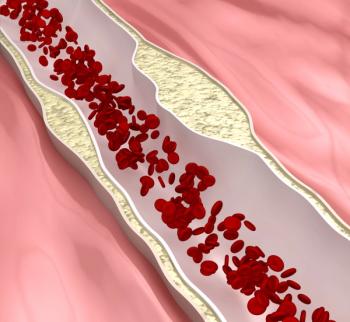
A recent review highlighted the importance of managing cardiovascular risk factors in patients with Fabry disease versus the general population.

Outcomes of in-hospital mortality, 7-day mortality, and emergency department length of stay were investigated among a cohort of patients with acute heart failure and hypercapnia, or excessive levels of CO2 in the blood.

The analysis showed biomarkers that persisted despite the presence or absence of type-2 inflammation.

Ryan Haumschild, PharmD, MS, MBA, and Kathy Oubre, MS, discuss tracking their use of biosimilar by their providers and outcome measures they utilize to monitor biosimilars.

Ryan Haumschild, PharmD, MS, MBA, and Kathy Oubre, MS, recall what protocols and laws their organizations needed to abide by when transitioning to their biosimilars programs.
The authors identified consensus-based promoters of clinical inertia in managing hypertension. Policy makers should address these promoters to improve health-related outcomes in hypertension.

The parameter could potentially help clinicians zero in on the cause of left ventricular hypertrophy.

The American Society of Ophthalmic Plastic & Reconstructive Surgery 2021 Fall Scientific Symposium will feature presentations on oculofacial surgery innovations, social justice and diversity, and more.

Jonathan Silverberg, MD, PhD, MPH, associate professor of dermatology, director of clinical research and patch testing, George Washington University School of Medicine and Health Sciences, discusses the involvement of the JAK/STAT pathway in the pathogenesis of atopic dermatitis.

Most adverse events in trials of adenosine triphosphate (ATP) blockers for chronic cough are related to taste, which may inadvertently cause the studies to become unblinded to patients, and a way of measuring this to know the extent of the problem is needed, said Ron Eccles, BSc, PhD, DSc, emeritus professor at Cardiff University.

The American Society of Ophthalmic Plastic & Reconstructive Surgery (ASOPRS) will be meeting in person in New Orleans to go over the latest scientific advances, said Robert G. Fante, MD, FACS, president of ASOPRS and facial plastic surgeon and cosmetic surgeon, Fante Eye & Face Centre in Denver, Colorado.
Older adults with coexisting asthma and chronic obstructive pulmonary disease (COPD), known as asthma-COPD overlap, who take fixed-dose combinations of inhaled corticosteroids and long-acting β agonists may be less likely to have persistent low adherence to initial maintenance therapy.

At the American Society of Ophthalmic Plastic & Reconstructive Surgery (ASOPRS) 2021 Fall Scientific Symposium, Shoaib Ugradar, MD, UCLA Stein Eye Center Santa Monica, will receive an award for his work on floppy eyelid syndrome and using collagen cross-linking to stiffen the eyelid and help patients.

A validation of the observer-reported outcome of the Growth Hormone Deficiency-Child Impact Measure found it valid and reliable to understand the impact of treatment with growth hormone therapy.

Daprodustat had no increased cardiovascular risk, compared with erythropoiesis stimulating agents (ESAs), in treating anemia in patients with chronic kidney disease (CKD) who were on dialysis and not on dialysis.

At baseline, patients with chronic thromboembolic pulmonary hypertension (CTEPH) had worse health-related quality of life (HRQOL) than patients with idiopathic pulmonary arterial hypertension (IPAH), but over time the scores were similar.

The higher waitlist mortality for liver transplant among children with hepatocellular carcinoma (HCC) compared with hepatoblastoma (HBL) indicates a need to improve prioritization for children with HCC.
Advertisement
Advertisement
Trending on AJMC
1
CMS Rule Ends Medicaid, CHIP Funding for Pediatric Gender Care
2
Oral JAK Inhibitors Boost Hair Regrowth Odds in Alopecia Areata
3
Panel Calls for Earlier Detection, Clearer Pathways in Rare Glomerular Disease
4
Follitropin Delta Achieves Ongoing Pregnancy in 64% Under Age 35
5