

A large cohort study across UK Biobank and All of Us finds RBM20 variants contribute to arrhythmogenic dilated cardiomyopathy.
A large cohort study across UK Biobank and All of Us finds RBM20 variants contribute to arrhythmogenic dilated cardiomyopathy.

Two posters presented at AMCP 2026 suggest improving GLP-1 adherence and access may enhance outcomes and lower obesity-related costs.

CHECK-US data show chronic hand eczema is driven by multiple triggers and linked to moderate disease severity and significant quality-of-life burden.

Tim Church, MD, PhD, MPH, explains that access to care—not willpower—is the central barrier to GLP-1 use, and says employer coverage decisions are finally catching up.

Focal segmental glomerulosclerosis can lead to protein leakage in urine and hypertension; the condition is not considered curable at present, only manageable.
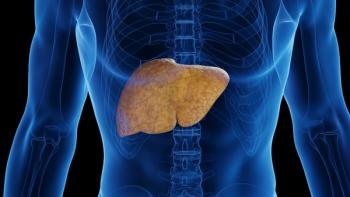
The global prevalence of MASLD was 16.1% as recently as 2023, with many individuals being asymptomatic and carrying a major risk of future complications.

Cardiac MRI tissue characterization can detect early, low-burden transthyretin cardiac amyloidosis and accurately distinguish it from similar conditions, a study found.

Psychological effects of alopecia areata should be looked into in the future for patients who live with the condition.

Equity gaps in lung cancer molecular testing persist; reflex testing and nurse navigation speed care, while coverage and access barriers stall outcomes

Housing and transportation barriers were linked to lower CRC screening rates, especially among adults aged 50 to 64.

Finerenone lowered cardiovascular death and HF events irrespective of coronary heart disease status but did not reduce atherothrombotic outcomes.

Biologic-naïve status and higher inflammation predict rapid skin clearance with psoriasis biologics, while palmoplantar disease may limit response.
Reflex molecular testing and nurse navigation cut delays in lung cancer care, helping more patients get targeted results before first-line therapy, says Christopher D'Avella, MD.

New strategies and therapies are being developed to try and decrease the risk of bone disease and cardiovascular complications among people with severe kidney disease.

A cost model shows anti-VEGF savings only when high injection burden offsets device fees and reading time in AI home OCT vs clinic OCT.

Vutrisiran not only slowed progression to advanced heart failure in patients with ATTR-CM but also reduced mortality and MACE among those who developed advanced disease.

Why Medicaid-covered kids struggle to see pediatricians: low reimbursement and practice deserts in low-income ZIP codes create real barriers to care.

Family caregivers absorb enormous burden after a breast cancer diagnosis, so routine caregiver support is vital.

Health care professionals will gather in Nashville next week for AMCP 2026 to discuss key topics in the space, including AI use and medication access.
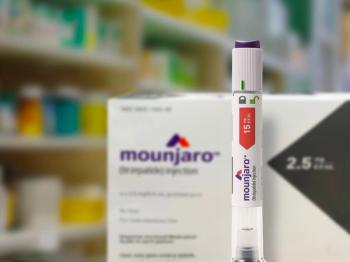
Tirzepatide was associated with a significant reduction in a composite of major cardiovascular and kidney outcomes vs the GLP-1 agonist dulaglutide.

Nancy L. Lewis, MD, MBS, FACP, discusses her path from the clinic to biopharma and her goals as NCCN's new CSO, including health equity and faster drug development.

Two AAD 2026 posters highlight persistent melanoma disparities: men have worse survival, whereas minority patients are less likely to receive home or hospice end-of-life care.

At-home phototherapy is more convenient than in-office care, and investigators found its one-time costs are also far less than the cost of care in a clinic.

Study finds rural Appalachia faces soaring insomnia and sleep apnea, tied to poverty and stress, urging targeted, equity-focused sleep interventions.

Steven Daveluy, MD, discusses 3-year findings that show 86% of patients remained HS flare-free throughout treatment, reinforcing the case for early intervention.
A real-world study has found that personalizing ibrutinib doses based on patient health does not compromise survival outcomes in chronic lymphocytic leukemia (CLL).

Major health plans cut millions of preapproval hurdles, add 90-day continuity protections, and push real-time e-authorization to speed care access.

A 2026 survey finds 2 in 3 employed adults would be more likely to use GLP-1 weight-loss drugs if employer coverage or behavioral support programs were available.

Both Quantitative Myasthenia Gravis and Myasthenia Gravis Activities of Daily Living scores improved after treatment.

Experts outline 4 roles within the value-based care ecosystem that will make it more cohesive and effective for patients.