
Opinion|Videos|November 3, 2026
Addressing Patient Hesitancy Toward Biologic Therapy for Severe Asthma
Reluctance toward injectable therapy is diminishing, but it persists. Dosing convenience and an honest conversation about the cumulative harm of steroid bursts can change a patient's decision.
Advertisement
Episodes in this series
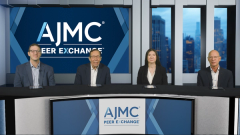
"Addressing Patient Hesitancy Toward Biologic Therapy for Severe Asthma" centers on the conversation that moves a hesitant but eligible patient toward treatment.
Dr. Bernstein asks Dr. Chupp how he approaches patients who hesitate to start a biologic out of fear or uncertainty.
Dr. Chupp acknowledges that hesitancy has been an issue, particularly early on, when biologics were first being developed. He believes the explosion of injectable therapies across many diseases has made patients far more accepting today than 10 or 15 years ago.
Still, hesitancy persists. He describes 2 patients in the past month for whom it was the main reason they had not started a biologic, despite being excellent candidates.
Both patients were comfortable with an ultra-long-acting option. They felt an injection every 6 months was far more manageable than a monthly one. They were also more accepting because the drug would be given in the office by a nurse, rather than self-injected at home.
Dr. Chupp also discusses the downstream effects of living without treatment. Those include the cost of lost work and the health effects of systemic steroids. He says those effects cannot be minimized and are massive over the long term.
He explains why the harm is hard for patients to see. A patient may reason that 5 days of prednisone once a year for a flare seems harmless. But repeated year after year, chronic intermittent steroid use becomes a significant problem, and clinicians must explain that clearly.
He also describes the opportunity for a much different breathing experience. Clinicians can now achieve that with biologics, rather than simply escalating inhaled steroids and bronchodilators. He believes physicians must be passionate with patients about what is possible, which can bring them on board to change their health.
Dr. Bernstein adds his own observation. Once patients are doing well on a biologic, their anxiety and fear of an attack diminish or disappear, and they tell him so. Dr. Chupp agrees.
The next episode in this series, "Payer Coverage and Authorization for Severe Asthma Biologics," turns to the payer side, as Dr. Wechsler, Dr. Mosnaim, and Dr. Chupp describe coverage decisions and step requirements.
Advertisement
Related to this article

Invivyd presented preclinical IDWeek 2026 data on VMS063, an investigational antibody that neutralized B3 and D8 measles variants in vitro.

Sphingolipid profiles in plasma and breath condensate differed between IPF and f-HP and tracked with disease severity, CHEST 2026 data show.

The FDA granted accelerated approval to the first plasmid DNA-based immunotherapy for adults with recurrent respiratory papillomatosis (RRP).
October's FDA approvals included the introduction of 5 non-oncology treatment options across specialties.

A phase 4 study found 69% of patients with OAB were consistently satisfied with vibegron at 12 months, with exploratory persistence of 59.8%.

Initial frontal fibrosing alopecia treatment was largely similar in Black and White patients, though tetracycline use was higher in Black patients.

From taladegib to admilparant and inhaled treprostinil, here are the key 2026 advances in idiopathic pulmonary fibrosis care.

HHS does not intend to take enforcement action against pharmacies compounding BPC-157 and 5 other unapproved peptides if they meet 10 conditions.
Advertisement
Advertisement
Trending on AJMC
1
As Employers Pull Back on GLP-1s, Andel and Novo Offer a Workaround
2
Enlicitide LDL-C Lowering Holds Across Risk Levels Up to 2 Years
3
FDA Approves First Plasmid DNA-Based Immunotherapy for Adults With RRP
4
Occasional Cannabis Use Linked to 40% Higher Odds of Stroke
5