
Opinion|Videos|October 13, 2026
Biologic Value in Asthma: Oral Steroid Toxicity and Prior Authorization
Biologics can offset their acquisition cost by preventing exacerbations and cumulative steroid toxicity, yet billing structures and prior authorization continue to delay patients who need treatment.
Advertisement
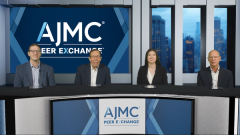
This episode, "Biologic Value in Asthma: Oral Steroid Toxicity and Prior Authorization," features the panel examining the financial case for biologics and the access barriers that stand between prescription and treatment.
Dr. Mosnaim explains how payers and managed care professionals can weigh biologic costs against downstream savings. Hospitalizations, emergency visits, unscheduled visits, and oral steroid use all carry costs that can offset a biologic's acquisition price. Patients with frequent or hospitalization-level exacerbations have the highest utilization and the strongest economic case.
She stresses that exacerbations predict more exacerbations. A patient with one this year has more than a 50% likelihood of another next year, and two consecutive years push that risk higher. Biologics reduce exacerbations by at least 50% and hospitalizations by roughly 60% or more.
She then details cumulative oral corticosteroid thresholds. Lifetime exposure above 500 mg raises the risk of diabetes, anxiety, and depression. Above 1000 mg, risks extend to cataracts, kidney disease, cardiovascular disease, and osteoporosis. A standard burst of 40 mg daily for 5 days, repeated more than 5 times, crosses that line. She calls for pharmacoeconomic analyses capturing these downstream comorbidity costs, a current gap in the literature.
Dr. Chupp addresses J-codes and reimbursement. J-codes apply to injectable drugs administered in the office. Because of how insurance billing works, in-office administration is sometimes far more affordable for patients than home autoinjection, even if less convenient.
He acknowledges he is fortunate to work in a hospital system with a robust authorization team and a clinic pharmacist dedicated to biologics. He suspects community clinicians struggle much more with this labor-intensive process.
Dr. Mosnaim confirms that her practice has no biologics team. During a staff engagement exercise, everyone identified the prior authorization bin as their greatest frustration. Staff spend hours on hold, writing appeals and medical necessity letters. Patients can exacerbate while waiting. Dr. Wechsler adds that authorization is burdensome even with institutional support, and harder still in high-volume practices.
In "Asthma Remission Goals and Where Biologic Adherence Breaks Down," Dr. Wechsler describes remission as the field's unrealized goal, and Dr. Mosnaim pinpoints the moments when patients stop, or never start, their biologic therapy.
Advertisement
Related to this article

AI quantitative CT (UCLA QILD, Brainomix e-Lung) predicts FVC decline and drug response in PPF, strengthening biomarkers beyond spirometry in INBUILD.

The conference session featured updates on several clinical trials, including the BRUNELLO trial, for treatment of diabetic macular edema (DME).

Panelists engaged in a debate regarding using complement inhibitors in geographic atrophy, gauging public sentiment with a deciding vote.

A session at AAO 2026 highlighted how big data and minimally invasive glaucoma surgery (MIGS) could be utilized to help patients receive peak care.

Medicaid expansion was associated with lower colorectal cancer mortality, with the largest reductions in Hispanic patients and stage IV disease.
Cepheid's Connie Savor, MD, MBA, explains where its 13-pathogen respiratory panel fits in diagnostic stewardship and antibiotic decisions.

The FDA approves atezolizumab with a fluoropyrimidine and oxaliplatin as adjuvant therapy for stage III dMMR colon cancer based on the ATOMIC trial.
Michael Mina, MD, PhD, explains Invivyd's accelerated approval path for VYD2311 and how it could change the timing of COVID-19 protection.
Advertisement
Advertisement
Trending on AJMC
1
Medicare Drug Price Negotiations Yield Uneven Out-of-Pocket Savings
2
Lymphoma Outcomes Hinge on Oncology, Not Viral Load In People With HIV
3
New Mechanism of DME Treatment Highlights Clinical Trial Updates
4
Using Complement Inhibitors in GA Comes With Pros and Cons
5