
Opinion|Videos|November 3, 2026
Early Biologic Therapy in Asthma to Prevent Lung Function Decline
Each exacerbation erodes lung function, and reduced lung function invites the next exacerbation. The panel explains why biologics are shifting from last resort to earlier intervention.
Advertisement
Episodes in this series
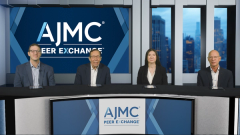
In "Early Biologic Therapy in Asthma to Prevent Lung Function Decline," our experts consider what is lost when biologic treatment is delayed.
Dr. Bernstein asks what is lost clinically when a biologic is delayed, or when a patient lives with severe asthma for years first. Dr. Wechsler explains that the goal is to identify patients who are exacerbating and losing lung function early. Airway inflammation, lung function decline, and exacerbations are closely intertwined.
He describes a self-reinforcing cycle. The more exacerbations a patient has, the lower lung function falls. The lower lung function falls, the greater the risk of further exacerbations.
His major goal is getting these therapies to patients early enough to prevent exacerbations, lung function deterioration, and potential airway remodeling. Clinicians, he says, should prevent the fires rather than put them out with steroids.
The patients at greatest risk usually have elevated biomarkers, such as higher blood eosinophil counts and exhaled nitric oxide levels. Those are the patients in whom early biologic therapy can prevent decline and remodeling.
Dr. Bernstein offers a scenario. A patient develops frequent exacerbations over a year and lacks control on inhaled corticosteroids plus a long-acting beta agonist. That, he suggests, is a patient to treat relatively early. Dr. Wechsler agrees and adds a second benefit: avoiding the side effects of steroid bursts used for exacerbations.
Dr. Mosnaim notes that biologics were once considered a last resort, reserved for when every other option was exhausted. Now clinicians aim to start them sooner.
She cites two reasons: the known harms of oral steroids and the lung function lost with every exacerbation. She highlights ongoing research comparing two strategies at the medium-dose inhaled corticosteroid plus long-acting beta agonist step. One adds a biologic, and the other increases the inhaled steroid dose.
While awaiting the data, she offers her personal view. She expects adding a biologic will prove safer and more effective than escalating inhaled steroids.
Up next, in "Addressing Patient Hesitancy Toward Biologic Therapy for Severe Asthma," Dr. Chupp explains how he approaches patients who are reluctant to begin injectable therapy.
Advertisement
Related to this article

Invivyd presented preclinical IDWeek 2026 data on VMS063, an investigational antibody that neutralized B3 and D8 measles variants in vitro.

Sphingolipid profiles in plasma and breath condensate differed between IPF and f-HP and tracked with disease severity, CHEST 2026 data show.

The FDA granted accelerated approval to the first plasmid DNA-based immunotherapy for adults with recurrent respiratory papillomatosis (RRP).
October's FDA approvals included the introduction of 5 non-oncology treatment options across specialties.

A phase 4 study found 69% of patients with OAB were consistently satisfied with vibegron at 12 months, with exploratory persistence of 59.8%.

Initial frontal fibrosing alopecia treatment was largely similar in Black and White patients, though tetracycline use was higher in Black patients.
From taladegib to admilparant and inhaled treprostinil, here are the key 2026 advances in idiopathic pulmonary fibrosis care.

HHS does not intend to take enforcement action against pharmacies compounding BPC-157 and 5 other unapproved peptides if they meet 10 conditions.
Advertisement
Advertisement
Trending on AJMC
1
As Employers Pull Back on GLP-1s, Andel and Novo Offer a Workaround
2
Enlicitide LDL-C Lowering Holds Across Risk Levels Up to 2 Years
3
FDA Approves First Plasmid DNA-Based Immunotherapy for Adults With RRP
4
Occasional Cannabis Use Linked to 40% Higher Odds of Stroke
5