
Opinion|Videos|October 20, 2026
Optimizing Asthma Adherence: Inhaler Technique, Cost, and Team-Based Care
Adherence depends on clear explanation, reliable inhaler technique, and affordable medication, and gaps in any one of these can quietly erode the benefit of an effective treatment plan.
Advertisement
Episodes in this series
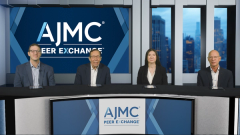
This episode, "Optimizing Asthma Adherence: Inhaler Technique, Cost, and Team-Based Care," has the panel dissecting why patients fall off therapy and what a coordinated care team can do about it.
Dr. Chupp explains that adherence begins with a strong doctor-patient relationship. The physician must take time to explain why adherence matters. That includes the harms of systemic steroids and exacerbations, lost work, and reduced quality of life.
Many patients assume lifelong breathlessness is simply how they must live. He believes a thoughtful explanation, something too rarely done, can change how patients feel about their medication. Sometimes that conversation alone is enough.
He also stresses inhaler technique, which requires trained nursing staff and physician reinforcement. Biologics offer further opportunities through autoinjection and ultra-long-acting agents that last 6 months. Favorable half-life and dosing characteristics can build adherence into the treatment itself. In his practice, pharmacists meet with patients virtually to check on biologic use and flag adherence concerns.
Dr. Wechsler adds that medications cannot work as shown in clinical trials if patients do not take them. Overall adherence is poor. Contributing factors include cost, forgetfulness, and a lack of understanding about why medications are needed or how often.
Dr. Mosnaim describes a frustrating cycle. She prescribes an inhaler on the patient's formulary, but the electronic record does not show the actual copay. She has written step-by-step protocols for every inhaler device on the market and trained her staff to teach each one.
Then the patient reaches the pharmacy and finds the copay unaffordable. If motivated, they call back, and she prescribes an alternative they were never taught to use. Poor technique means the drug may never reach the lungs.
She also sees widespread fear of inhaled steroids. Even when told that low doses are safe, and that about 90% of benefit comes at low doses of fluticasone propionate, patients hesitate. Some stop when they feel fine. Others report adherence they have not maintained, simply to please their physician.
In "Biologic Dosing Frequency and Real-World Persistence in Severe Asthma," Dr. Wechsler compares how often today's therapies must be given, while Dr. Mosnaim reviews what real-world data show about longer dosing intervals.
Advertisement
Related to this article

Experts at CHEST 2026 urge pulmonologists to keep lung cancer in mind for younger patients who never smoked, to order screening and biomarker testing themselves, and to advocate for patients' access to care.

Phentolamine 0.75% (Ryzumvi) won FDA approval for presbyopia based on the phase 3 VEGA-2 and VEGA-3 trials.

Satralizumab, a first-in-class IL-6 receptor inhibitor, was approved for adults with thyroid eye disease based on the phase 3 SatraGO program.

A higher PNR is associated with lower odds of MASLD and advanced liver fibrosis, but further studies are needed to validate findings.

Speakers at CHEST 2026 walked through the first CHEST guideline for non-CF adult bronchiectasis, including which preventive therapy to start first.

SaTScan detects an acute HCV outbreak cluster in California, showing the potential of automated surveillance, though real-time testing is needed.

Genetic analysis finds 125 loci shared by insomnia and CRP, with Mendelian randomization favoring an effect from insomnia liability to inflammation.

Proinflammatory diets were tied to higher mortality in MASLD and MetALD, whereas antioxidant-rich diets tracked with better survival.
Advertisement
Advertisement
Trending on AJMC
1
FDA Approves Ryzumvi for Presbyopia, Expanding its Label
2
New CHEST Guidelines Offer a Road Map for Bronchiectasis
3
FDA Grants Accelerated Approval to Dostarlimab for dMMR Rectal Cancer
4
CHEST Highlights Practice-Changing COPD Therapy and Strategies
5