
Opinion|Videos|November 24, 2026
The Future of Severe Asthma Care: Precision Medicine and Beyond
Precision medicine, emerging targets, and convenient dosing have transformed severe asthma care. For one panelist, that transformation now means no patients on daily oral steroids.
Advertisement
Episodes in this series
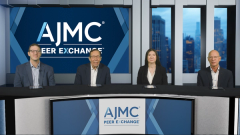
"The Future of Severe Asthma Care: Precision Medicine and Beyond" brings the series to a close with each panelist's reflections on where the field stands and where it is heading.
Dr. Bernstein thanks the panel for a thoughtful conversation spanning the true cost of uncontrolled asthma, persistent adherence challenges, and the opportunity to bring effective biologic therapy to patients earlier. He then asks each panelist for final thoughts.
Dr. Chupp notes that the field continues to evolve, as the discussion made clear. Clinicians are steadily gaining understanding of novel disease mechanisms and subtypes, and biologic therapies are helping drive that understanding.
He finds therapeutic development exciting. Beyond extended dosing intervals, novel targets and bispecific antibodies are in development. He believes these could prove groundbreaking in clinical effectiveness, helping more patients achieve optimal control and even disease modification.
Dr. Wechsler repeats his view that it is a good time to have bad asthma. Over the past 20-plus years, management has changed dramatically. Clinicians have moved from a one-size-fits-all approach built on inhaled corticosteroids and bronchodilators to a precision medicine approach.
Today's care draws on biomarkers and a better understanding of asthma endotypes. New therapies are effective and convenient, improving patients' lives through efficacy, safety, and ease of dosing. He looks forward to the next wave of therapies.
Dr. Mosnaim has practiced since around 2000. She once cared for many patients with severe asthma on daily oral steroids. Emergency visits and hospitalizations were frequent.
Today, she has no patients on daily oral steroids, which she credits to biologics. Far fewer of her patients require high-dose daily inhaled steroids. She stresses the importance of awareness about side effects from both high-dose inhaled steroids and long-term oral steroids.
She calls for a proactive approach, starting biologics sooner to prevent exacerbations and the lung function decline that accompanies each one. She is grateful for ultra-long-acting anti-IL-5 therapy, which lets her show patients their progress every 6 months. Dr. Bernstein agrees it is life-changing.
Thank you for watching this AJMC Peer Exchange series on severe asthma. Please subscribe to our eNewsletter for information on upcoming video series.
Advertisement
Related to this article

The FDA approved ribitol (Welgemda) as the first therapy for LGMD2I/R9, backed by a 112-patient phase 3 trial.

With its second approval in a week, giredestrant is now the first SERD to be indicated for both early- and advanced-stage breast cancer.
In this Q&A, Konstantin Dmitrievich Penkov, MD, discusses delayed quality-of-life decline with cemiplimab plus chemotherapy in aNSCLC.

CRC diagnoses after endoscopic mucosal resection (EMR) were uncommon in a real-world cohort, though racial and ethnic differences remain unclear.

San Francisco experts say earlier IgA nephropathy and FSGS detection depends on primary care education and care coordinators.
Advertisement
Advertisement
Trending on AJMC
1
FDA Approves First New Early-Stage BC Hormone Therapy in Over 20 Years
2
CGM Discharge Barriers Center on Prior Authorization and Education
3
FDA Approves Oral Ribitol for LGMD2I/R9, a First in Limb-Girdle Muscular Dystrophy
4
Value-Based Pilot for Medicaid Members With Substance Use Disorder
5