
Opinion|Videos|November 12, 2026
All-Oral AML Regimen: Phase 2 Data and Inpatient Care Challenges
Phase 2 data show the all-oral regimen performs comparably to intravenous combinations, while inpatient admissions expose gaps in formularies, medication custody, and reimbursement for oral chemotherapy.
Advertisement
Episodes in this series
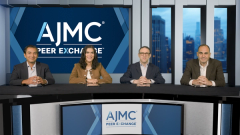
This episode, "All-Oral AML Regimen: Phase 2 Data and Inpatient Care Challenges," features the panel connecting the clinical evidence for oral therapy to what happens when patients are admitted.
Dr. Mahmoudjafari asks Dr. Murthy how the phase 2 data for oral decitabine-cedazuridine plus venetoclax, and its recent FDA approval, shape his practice. Dr. Murthy calls the data strong and supportive. Oral decitabine-cedazuridine was first compared with parenteral decitabine and approved in myelodysplastic syndromes, so clinicians were already comfortable with it. In the AML trial, close to 50% of patients achieved a response, and more than 60% responded with some count recovery. Overall survival was comparable to intravenous hypomethylating agents plus venetoclax. That matters because a new formulation should not compromise established benefits. Between 60% and 70% of patients maintained remission at 6 and 12 months, suggesting patients can stay adherent.
Dr. Zeidan then describes the inpatient experience. Hospital beds are under constant pressure, so his team avoids admission when possible. However, acute presentations in patients in their late 60s and 70s often make discharge difficult. A middle-ground approach treats patients in the hospital for the first week, covering education, tumor lysis monitoring, and antifungal and venetoclax adjustments. Visits then shift to two or three times weekly. Some centers keep patients the entire first month, especially those living far away. He jokes that being bored in the hospital is good news. Still, he is humbled by how sick some patients become, since infection, bleeding, and arrhythmia risks resemble intensive chemotherapy.
When patients on oral therapy are admitted for febrile neutropenia, they often arrive without their medication. Because many oral agents are not on formulary, families must bring them in. Bottles can be lost moving between floors and the ICU, which is especially problematic in clinical trials. He argues that reimbursing inpatient use of oral chemotherapy would simplify care, as it does for other drugs. Dr. Mahmoudjafari describes a similar limited formulary and the processes needed to safeguard patient-supplied medications.
The next episode in this series, "Securing Access to Oral AML Therapy: Formularies, Prior Authorization, and Copays," features Dr. Stein on formulary decisions, prior authorization teams, and copay hurdles.
Advertisement
Related to this article

Shorter telomere length was linked to a usual interstitial pneumonia pattern (UIP) on CT in patients with ILD, per research presented at CHEST 2026.
Low awareness that fatty liver can silently progress and that MASH fibrosis is treatable drives missed follow-up testing, says Rohit Loomba, MD.

The FDA approved asundexian (Sunharbo) with antiplatelet therapy to reduce recurrent stroke risk after noncardioembolic stroke or high-risk TIA.

The FDA granted accelerated approval to amivantamab and hyaluronidase for previously treated recurrent or metastatic head and neck cancer.
Advertisement
Advertisement
Trending on AJMC
1
IVF Beats IUI for Early Live Births in Unexplained Infertility
2
How Plans, Clinicians Should Handle Gray-Market Retatrutide
3
FDA Approves Asundexian, First FXIa Inhibitor to Prevent Repeat Stroke
4
Early-Onset Cancers Often Found Late as Screening Gaps Persist
5