
Opinion|Videos|November 26, 2026
Medicare Part D Redesign, Oral Chemotherapy Parity, and AML Treatment Costs
The Medicare Part D out-of-pocket cap has reshaped costs for oral AML therapy, yet gaps in state parity laws and infusion-based reimbursement incentives still influence how treatment is delivered.
Advertisement
Episodes in this series
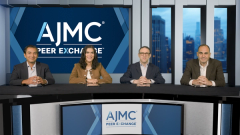
This episode, "Medicare Part D Redesign, Oral Chemotherapy Parity, and AML Treatment Costs," features the panel examining how policy and reimbursement shape the choice between oral and intravenous therapy.
Dr. Mahmoudjafari asks Dr. Stein how the Medicare Part D redesign has shifted costs for oral and parenteral agents, and what assistance strategies his team uses. Dr. Stein candidly admits that because dedicated teams handle access for him, he knows little about the redesign. Dr. Mahmoudjafari reveals it was a trick question and explains the key changes herself. The most impactful element is the annual out-of-pocket cap for Medicare beneficiaries. Medicare patients are generally excluded from manufacturer copay assistance, so high copays were previously a serious barrier. Under the redesign, patients can pay the capped amount up front or spread payments evenly across the year. The cap applies across all of a patient's covered prescriptions. Many patients reach it at the start of the year with a single venetoclax prescription. Intravenous regimens fall under a different benefit, where out-of-pocket costs continue. Delays and plan changes persist, and Medicare patients still lack access to manufacturer assistance.
Dr. Zeidan asks whether efforts toward oral and intravenous coverage equity have materialized. Dr. Mahmoudjafari explains that advocacy for oral chemotherapy parity is ongoing. Not all states have parity laws, and closing that gap remains a priority so cost alone does not dictate treatment.
Dr. Zeidan then raises a less discussed issue: provider incentives. In some private practices, infusion chairs help sustain the practice financially. Clinicians prescribing oral drugs take on all of the monitoring and management without reimbursement for that work. In academic centers, the pressure is often reversed, with crowded infusion chairs and incentives to reduce infusion visits. He suggests that compensating physicians for the time spent monitoring oral therapy could encourage broader use of oral regimens. Dr. Mahmoudjafari agrees that every AML therapy requires substantial supportive care, regardless of practice setting. She emphasizes that reimbursing that supportive work is essential.
Up next, in "Optimizing Adherence to Oral AML Therapy: Calendars, Logs, and Ongoing Education," Dr. Murthy shares the tools his team uses to keep patients on track with oral regimens.
Advertisement
Related to this article

Phase 3 AIRTIVITY trial of verducatib is recruiting patients with bronchiectasis, including those with CF, at sites in 22 countries.

Among 418 patients with BCOR or BCORL1 mutations, the mutations were linked to shorter survival in myeloid neoplasms but not in bone marrow failure cases.
Symptom burden and disease activity in Sjögren disease often diverge, complicating treatment and ESSDAI and ESSPRI use, says Sara McCoy, MD, PhD.

A 20-year review found repeated prostate-specific antigen screening at ages 55 to 69 cuts prostate cancer deaths but increases overdiagnosis.

Blinded data show 33% of patients with idiopathic pulmonary fibrosis had FVC gains at 12 weeks with no related serious adverse effects.

The FDA approved ribitol (Welgemda) as the first therapy for LGMD2I/R9, backed by a 112-patient phase 3 trial.
Advertisement
Advertisement
Trending on AJMC
1
FDA Approves Upadacitinib as First Systemic Therapy for Vitiligo
2
Verducatib Phase 3 Bronchiectasis Trial Recruits in 22 Countries
3
Review Proposes Evidence-Graded Approach to AML Combination Therapy
4
FDA Approves Bezuclastinib Plus Sunitinib for GIST After Imatinib
5